
Why Isn’t My House Selling?
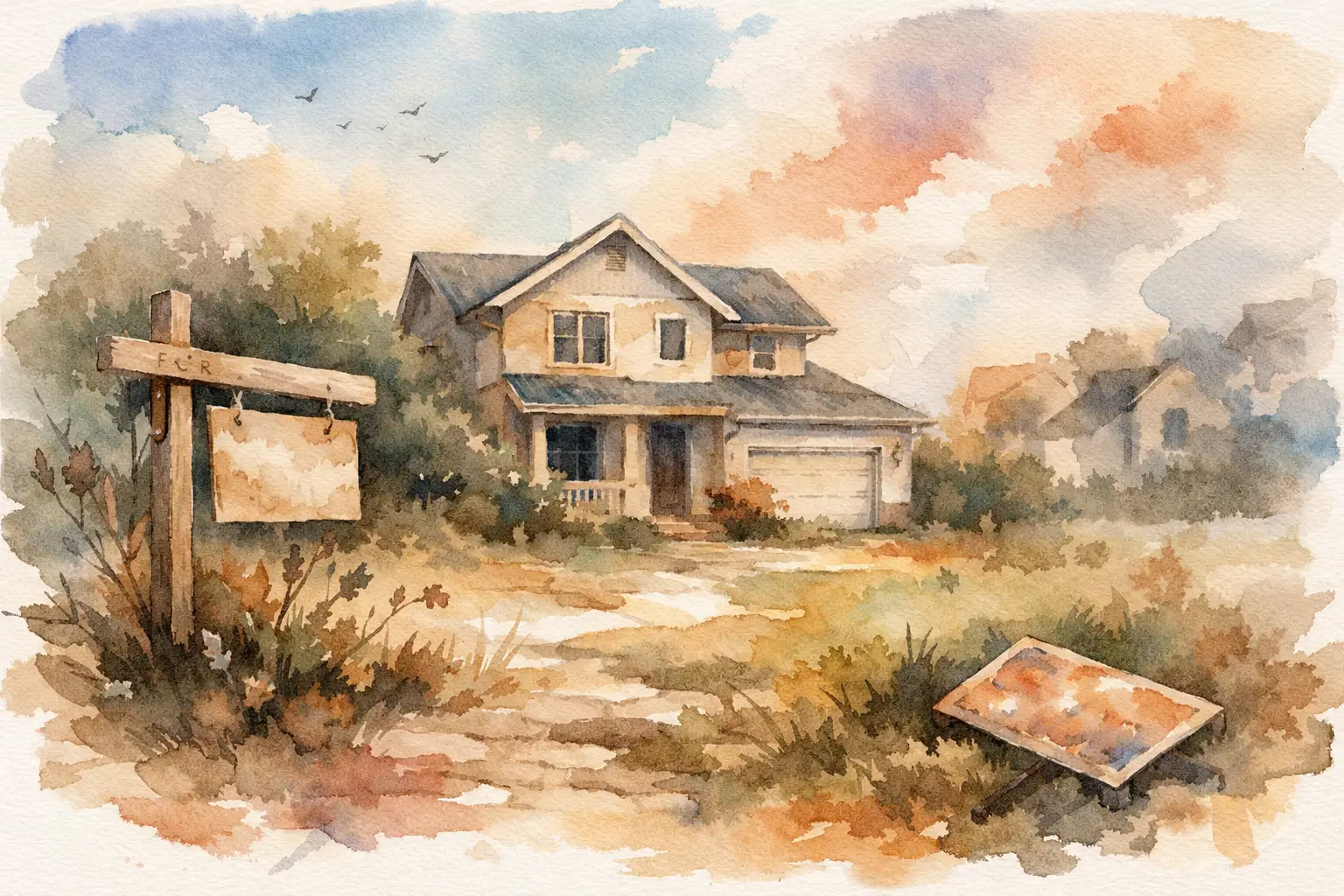
The hardest part of hearing, "Why isn’t my house selling," is that the answer usually is not one big failure. It is often a handful of smaller issues working together - pricing, condition, timing, competition, and marketing - that keep buyers from acting. In the Charleston area, where neighborhood trends can shift quickly from one community to the next, a home can sit for reasons that are fixable once you identify the real cause.
Why isn’t my house selling in this market?
A slow sale does not always mean there is no demand. It usually means buyers do not see enough value at your current price, or they are seeing another listing that feels like a better fit. In markets like Charleston and Summerville, buyers are comparing your home against every active listing they can find, not against what your neighbor hoped to get six months ago.
That distinction matters. Sellers often look at their upgrades, memories, and long-term ownership as proof of value. Buyers look at square footage, layout, condition, monthly payment, and how your property stacks up against similar homes they toured this week. If those two views are too far apart, showings may slow, offers may not come, or the only feedback you hear is silence.
Price is usually the first issue
If a home gets plenty of online views but few showings, price can be a problem. If it gets showings but no offers, price is still often part of the problem. Buyers may like the house but not enough to justify the cost when better-positioned options are available.
In Charleston real estate, pricing mistakes tend to show up in two ways. The first is obvious overpricing, where the home is simply above what the market supports. The second is more subtle - pricing just high enough to miss the most active buyer search ranges. A home listed at $525,000 may lose attention from buyers capped at $500,000 and still fail to impress buyers shopping closer to $550,000 if the property does not fully compete in that bracket.
The market also punishes late adjustments. The first days on market usually bring the strongest attention because buyers and agents notice new inventory quickly. If a home starts too high and sits, it can develop a stale listing problem. Even after a reduction, buyers may wonder what is wrong with it.
Condition matters more than many sellers expect
Most buyers are not looking for perfection, but they do react strongly to homes that feel like work. Small issues add up fast. Worn paint, outdated light fixtures, stained carpet, heavy odors, deferred maintenance, and clutter can make buyers think the bigger systems have been neglected too.
This is especially true when interest rates and insurance costs are already stretching budgets. Buyers may have less room for updates after closing, so they become more selective. A house that would have sold quickly in a more aggressive market may now need cosmetic preparation to compete.
That does not mean every seller needs a full renovation. In many cases, the best return comes from targeted improvements. Fresh neutral paint, deep cleaning, basic landscaping, minor repairs, and better staging can change how a property feels without overinvesting. The right prep depends on price point, neighborhood standards, and buyer expectations in that part of the market.
Marketing may not be doing the home justice
A home can be good value and still underperform if buyers are not seeing it presented well. Poor photography is one of the most common reasons listings get skipped online. Dark rooms, awkward angles, and incomplete photo sets make buyers move on before they ever schedule a showing.
The listing description matters too, but not in the way many sellers think. Buyers are not persuaded by generic phrases like "won’t last long" or "must see." They respond to clarity. They want to know what makes the home stand out, how the layout functions, what updates have been completed, and why the location is desirable.
Exposure also matters. If the marketing plan starts and ends with placing the listing in the MLS, the home may not be reaching enough qualified buyers. A stronger strategy presents the property professionally, positions it correctly against competing listings, and creates enough visibility to generate momentum early.
Your competition may have changed
One reason sellers ask why isnt my house selling is that they are measuring against an earlier market. Conditions change. New listings come on, builders offer incentives, and buyers become more selective. What would have sold quickly a year ago may need a different strategy today.
Competition is not limited to homes with the same bedroom count or square footage. Buyers compare feel, not just numbers. If another listing in your area has a more updated kitchen, cleaner presentation, or better outdoor space at a similar price, your home may lose even if it is technically comparable.
This is where local market knowledge matters. It is not enough to know average days on market across the entire Charleston metro. A home in one Summerville neighborhood can behave differently from a similar home in another community based on schools, inventory levels, lot sizes, flood zone concerns, HOA factors, and buyer demand at that specific price point.
Access and showing experience can quietly hurt the sale
Sometimes the problem is not the house itself. It is how easy or hard it is to see. If showing windows are too limited, if appointments are frequently declined, or if the property is difficult to access, buyers may skip it and move to the next option.
The experience during the showing also matters. A home that is too warm, too dark, crowded with personal items, or occupied in a way that makes buyers uncomfortable can prevent emotional connection. Buyers need enough space to picture themselves living there. If they feel rushed or distracted, they rarely stay long enough to build that connection.
Pets can create issues as well. So can strong cooking smells, loud televisions, and overdone fragrance products meant to mask odors. These details seem minor, but they influence perception in a very real way.
The feedback you are getting may be incomplete
Seller frustration often grows when the feedback sounds vague. Comments like "nice home, just not for us" or "buyer chose another property" are common, but they do not tell the full story. The key is to look for patterns.
If multiple buyers mention the same issue - price, dark interior, outdated bathrooms, busy road, small backyard - that pattern deserves attention. One isolated opinion may not matter. Repeated feedback usually does.
There are also times when buyers will not say directly that a home feels overpriced. Instead, they point to style, layout, or condition. What they often mean is that they would accept those trade-offs at a different price.
What to do if your house isn’t selling
The best next step is not always a dramatic one. It starts with a reset based on current market evidence rather than hope. That means reviewing recent comparable sales, active competition, showing activity, online engagement, and buyer feedback together.
If pricing is off, a strategic adjustment made sooner is usually better than a series of small reductions that fail to change buyer perception. If condition is the issue, focus on the updates that improve first impressions and remove objections. If marketing is weak, improve the presentation before expecting different results.
Sometimes the answer is a combination approach. A modest price correction paired with better staging, professional photography, and a stronger launch strategy can change the trajectory of a listing quickly. Other times, sellers need to decide whether the market can support their goals right now or whether waiting makes more sense.
For homeowners in Charleston and surrounding communities, this is where experienced local representation makes a difference. Matt Miller Sells Charleston LLC can evaluate whether the issue is pricing, preparation, competition, or positioning and recommend a strategy based on how buyers are behaving in your specific market segment, not just broad headlines.
Why isn’t my house selling when other homes are?
When other homes are moving and yours is not, the answer is almost never personal. It is usually a market signal. Buyers are telling you that another listing delivers a better combination of price, condition, location, or confidence.
That can be frustrating, but it is also useful. Real estate is one of the few markets where you can adjust the offer to the public in real time. You can improve how the home shows, sharpen the price, change the presentation, and reposition the listing before more time is lost.
If your home is not selling, the goal is not to defend the original plan. The goal is to identify what buyers are responding to and make smart corrections while the opportunity to sell is still strong.
Categories
Recent Posts










Matt Miller Sells Charleston LLC
Phone