
Charleston Foreclosure Buying Process Explained
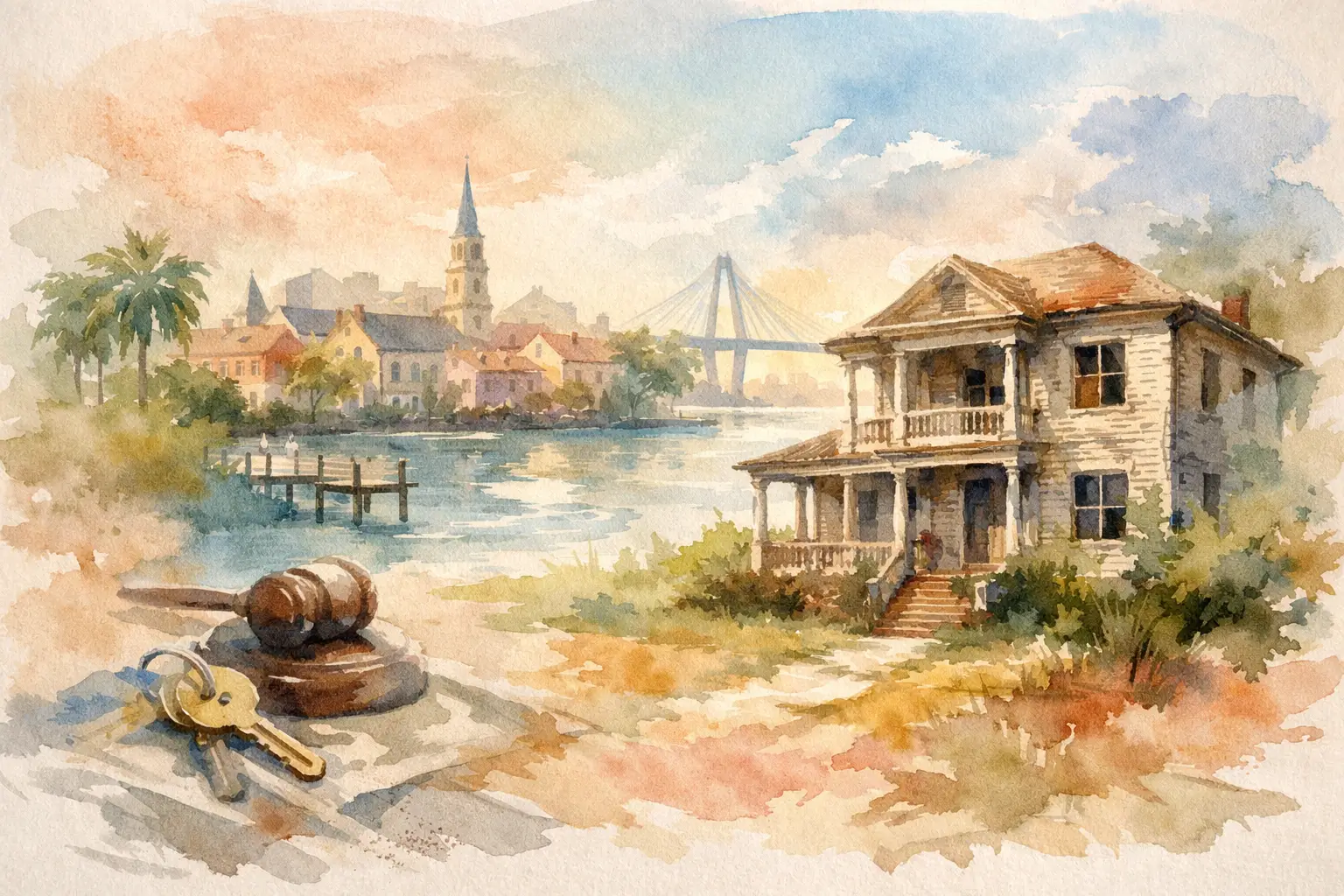
A foreclosure listing can look like a clear path to value in Charleston, especially when comparable homes in the same neighborhood are selling quickly. But a lower asking price does not automatically make a property a better purchase. The Charleston foreclosure buying process requires careful work before an offer or bid is submitted because condition, title, financing, occupancy, and timing can change the real cost of the home.
For buyers who approach it with realistic expectations and strong local guidance, foreclosure opportunities can be worthwhile. The key is to understand which type of distressed sale you are considering and where the risk shifts from the seller to the buyer.
Know Which Foreclosure Opportunity You Are Buying
Not every distressed property is sold the same way. In the Charleston area, buyers may encounter pre-foreclosure properties, short sales, courthouse auction sales, and bank-owned homes, often called REO properties. Each follows a different timeline and gives the buyer a different level of access to information.
A pre-foreclosure property is generally still owned by the homeowner. It may be marketed for sale before the lender completes foreclosure. A short sale also involves a homeowner, but the lender must approve an offer that is less than the amount owed. These transactions can provide an opportunity to complete inspections and negotiate contract terms, but lender approval can take time and is never guaranteed.
A bank-owned property has completed the foreclosure process and is now owned by the lender. These homes are often listed through a real estate agent and sold using a more familiar purchase contract. Buyers can typically tour the home, conduct inspections, arrange financing, and close through a South Carolina real estate attorney. Still, banks often sell these properties as-is and may limit repair negotiations.
Courthouse auction sales are the highest-risk portion of the Charleston foreclosure buying process. South Carolina is a judicial foreclosure state, meaning foreclosure sales generally proceed through the court system. In Charleston County and surrounding counties, auction terms, deposits, bidding procedures, and sale dates can vary. Buyers may have limited access to the property before bidding and should not assume they can inspect the home, verify its condition, or obtain conventional financing after winning the bid.
Start With Financing and a Realistic Cash Plan
A foreclosure buyer should be financially prepared before identifying a target property. A pre-approval from a local lender helps establish the price range for a listed REO, short sale, or pre-foreclosure home. It also shows a seller or asset manager that the buyer can close on schedule.
The financing conversation needs to go beyond the purchase price. Many foreclosure homes need immediate work, whether that means replacing flooring, repairing a roof leak, addressing moisture concerns, updating electrical components, or restoring systems that have been shut down. In Charleston's coastal climate, deferred maintenance can carry extra consequences. Moisture intrusion, mold, HVAC issues, termite damage, and flood-related concerns should be budgeted for rather than treated as minor cosmetic items.
Conventional financing may work well for a property in livable condition. If the home requires substantial repairs, a renovation loan or cash purchase may be more appropriate. Some lender-owned homes will not meet standard appraisal or condition requirements, which can limit the available loan options. A buyer who has only enough funds for the down payment may be better served by a home in stronger condition than a deeply discounted property needing major repairs.
Auction purchases frequently require cash or fast access to funds. Review the sale terms before bidding, including the required deposit, the deadline for payment, and whether the sale is subject to court confirmation or other conditions. Never assume auction rules will match those of a traditional home purchase.
Evaluate the Property Before You Commit
The most expensive foreclosure mistakes are usually made before the buyer is under contract. An attractive price can hide a costly condition problem, and distressed properties are not always maintained, winterized, or secured to the same standard as owner-occupied homes.
For a listed property, inspect as thoroughly as the transaction permits. A general home inspection is a starting point, not the finish line. Depending on the home's age, location, and visible condition, buyers may also need specialists for roofing, HVAC, structural concerns, plumbing, electrical systems, septic systems, wells, pools, docks, or termite inspections.
Charleston buyers should also evaluate the property in the context of its location. Flood zone status, elevation, drainage patterns, insurance availability, HOA requirements, and proximity to tidal water can materially affect ownership costs. A foreclosure in a desirable coastal or lowcountry location can still be a poor fit if the annual insurance expense or required repairs exceed the buyer's long-term budget.
For auction properties, the due diligence window is often much narrower. If access is unavailable, buyers should evaluate public records, exterior condition, neighborhood comparable sales, tax information, and any available court or sale documents. That research cannot replace an inspection, which is why auction bids should reflect the possibility of unknown repairs.
Protect Yourself With Title and Occupancy Research
Title work is not a formality in a foreclosure purchase. It is one of the most important protections a buyer can have. A foreclosure sale may address the foreclosing lender's interest, but buyers should understand whether other liens, assessments, taxes, judgments, or municipal issues could affect the property.
A South Carolina closing attorney can review the chain of title and identify matters that need to be resolved before closing. HOA balances, property taxes, code enforcement issues, and other obligations deserve close attention. The exact treatment of a lien depends on its priority and the foreclosure case, so this is not an area for assumptions.
Occupancy also matters. A property may be vacant, owner-occupied, tenant-occupied, or occupied by someone with no formal lease. A buyer who purchases at auction may face the time, expense, and legal process required to gain possession. That risk needs to be understood before bidding, not after closing. A listed bank-owned home is often vacant, but buyers should still confirm the property's status during due diligence.
Make an Offer or Bid With the Right Terms
For an REO or other listed foreclosure, a strong offer is not simply the highest number. Asset managers usually evaluate price, financing, closing timeline, contingencies, and the buyer's ability to perform. A clean offer with reliable financing and reasonable due diligence terms can be more competitive than a higher offer with uncertainty attached.
Expect as-is language. As-is does not mean buyers should skip inspections. It means the seller may refuse to make repairs or provide credits. Buyers can still use their inspection period to decide whether the property remains a sound purchase under the contract terms.
At auction, set a firm maximum bid before the sale. That number should include estimated repairs, closing costs, attorney fees, carrying costs, insurance, taxes, and a contingency for surprises. Competitive bidding can create pressure to stretch beyond the original plan. A disciplined buyer is willing to walk away when the numbers stop working.
Prepare for a Different Closing Experience
Once a listed foreclosure is under contract, the closing process may resemble a traditional purchase, but communication can be slower and more procedural. Bank sellers may have standard addenda, strict deadlines, and limited flexibility. They may not provide the same disclosures, repair history, or personal insight that an individual homeowner can offer.
Keep inspection deadlines, lender requests, insurance requirements, and title questions moving quickly. Delays can jeopardize the contract, particularly when the seller has established timelines. Buyers should also avoid making major credit changes before closing, such as financing furniture, opening new credit cards, or changing jobs without first discussing the impact with their lender.
For auction purchases, closing requirements may move much faster. The successful bidder should be ready to coordinate with counsel, deliver required funds, obtain insurance, and address possession concerns immediately. The lower purchase price that attracted the buyer may not leave much room for delay or indecision afterward.
Work From the Numbers, Not the List Price
The best foreclosure purchase is not necessarily the cheapest home on the market. It is the property that fits your financing, risk tolerance, repair capacity, and long-term plans in Charleston. Some buyers are well positioned for an as-is bank-owned home with a manageable renovation plan. Others should avoid auction risk and focus on listings where inspections, title review, and financing protections are more established.
A local REALTOR® can help compare the property against recent neighborhood sales, identify practical due diligence steps, and structure an offer around the realities of the transaction. Matt Miller Sells Charleston LLC works with buyers who want clear guidance through complex local purchases, including foreclosure-related opportunities. The right property is one you can evaluate with confidence before the commitment becomes irreversible.
Categories
Recent Posts










Matt Miller Sells Charleston LLC
Phone