
How to Sell Inherited Property in Charleston
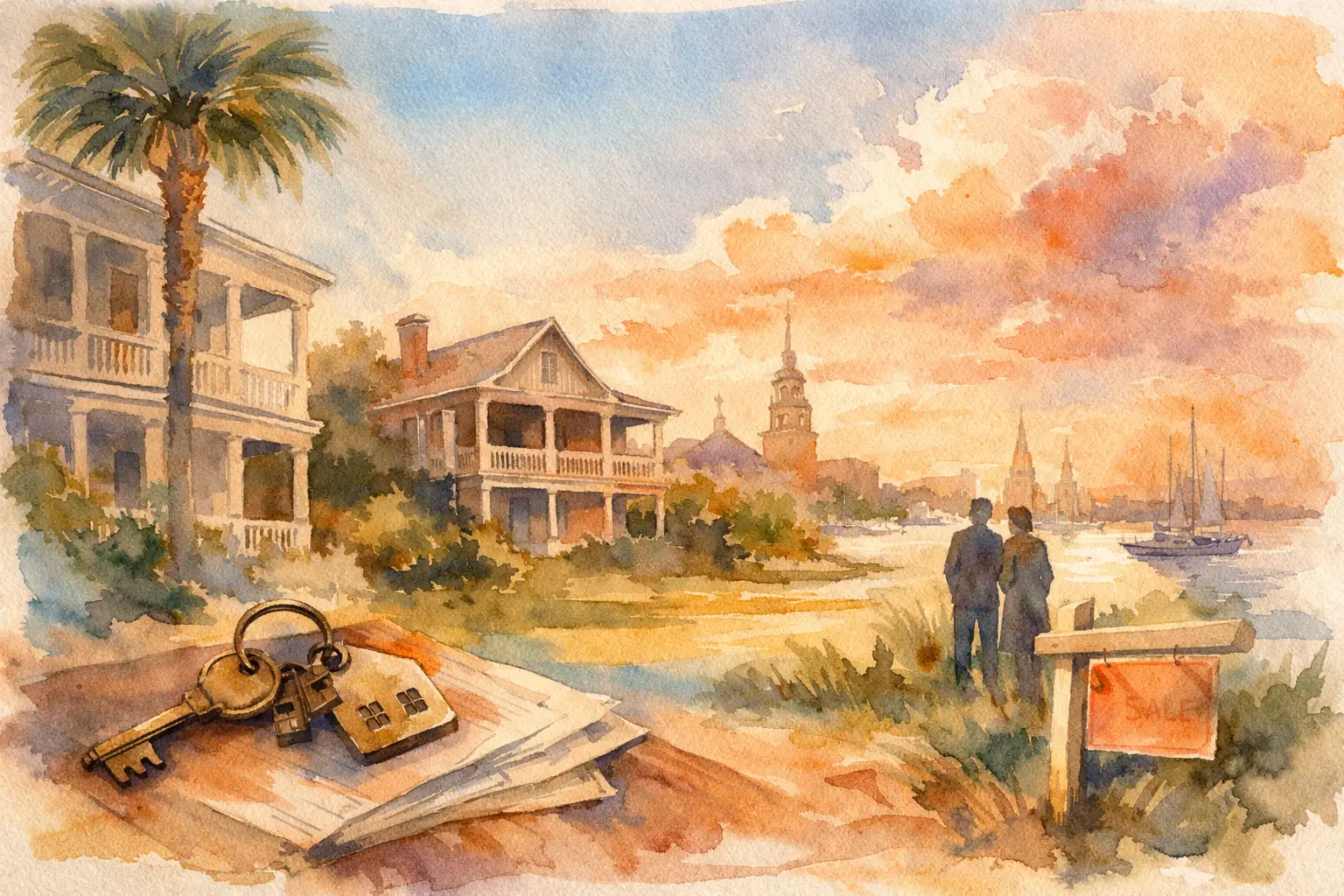
An inherited home can come with a complicated mix of grief, responsibility, and financial decisions. If you are wondering how to sell inherited property in Charleston, the first priority is not putting a sign in the yard. It is confirming who has the legal authority to sell, understanding the property’s condition and costs, and choosing a sale plan that protects the interests of every heir involved.
Charleston-area inherited properties often have additional considerations, from flood insurance and older-home repairs to homeowners association rules, tenant occupancy, and fast-moving neighborhood values. A clear process helps you avoid delays, unnecessary expenses, and disagreements that can make an already difficult time more stressful.
Start With Authority to Sell the Home
Before a property can be listed or transferred, someone must have the authority to act for the estate. If the deceased owner left a will, the probate court typically appoints the executor named in that will. If there is no will, the court appoints a personal representative or administrator.
The deed alone does not always tell the full story. A home may have been owned solely by the deceased, held jointly with rights of survivorship, placed in a trust, or owned by several family members. Each situation can create a different path to sale. In South Carolina, probate filings, estate debts, creditor claims, and the authority granted to the personal representative can all affect timing.
Do not assume that being an adult child, surviving relative, or even a named heir gives you the authority to sign a listing agreement or deed. An experienced probate or estate attorney can clarify the estate’s status and help determine what documentation will be needed for a closing. Your real estate agent can then coordinate the sale timeline around those requirements.
Decide Whether to Sell, Keep, or Buy Out Other Heirs
An inherited property is not automatically a property that should be sold. Before preparing the home for market, the heirs should discuss the practical options. One family member may want to live in the home, rent it, or purchase the other heirs’ interests. In other cases, selling is the cleanest way to divide proceeds fairly and end ongoing responsibilities.
The decision usually comes down to the property’s equity, carrying costs, repair needs, and the family’s goals. A home with a manageable mortgage and strong rental potential may be worth retaining. On the other hand, a vacant home requiring extensive repairs, insurance, property taxes, and regular oversight can become expensive quickly.
When multiple heirs are involved, get agreement early on the big issues: whether to sell, how sale proceeds will be divided, whether repairs are worth making, and who will communicate with the agent, attorney, and vendors. Unclear expectations are one of the most common reasons inherited-home sales stall.
Get a Local Market Valuation Before Spending Money
Families often start by asking, “What repairs do we need to make?” A better first question is, “What is this home worth in its current condition, and what would repairs realistically add?” Those answers should guide every next step.
A local comparative market analysis evaluates recent sales, competing listings, location, condition, lot size, and buyer demand. In Charleston and Summerville, values can vary sharply between nearby neighborhoods. A property’s elevation, flood zone, school assignment, historic character, proximity to employment centers, and access to major roads can all affect pricing and buyer interest.
A good valuation should compare more than renovated homes. It should also account for properties sold as-is, investor purchases, and homes that needed cosmetic or major work. Pricing an inherited property based on what a fully updated home sold for can lead to an overpriced listing and a longer time on market. Pricing too aggressively low, however, can leave meaningful equity on the table.
Choose the Right Condition and Sale Strategy
Inherited homes are frequently sold in one of three ways: as-is on the open market, after targeted repairs and preparation, or directly to an investor or cash buyer. There is no universal best choice.
Selling as-is does not mean giving the home away. It means the seller is generally not committing to make repairs, while still disclosing known material conditions as required. This can be a practical route when the property needs significant work, the heirs live out of town, or the estate needs a straightforward sale. The home still needs professional pricing, presentation, and marketing. “As-is” is a condition strategy, not an excuse for poor preparation.
Targeted improvements can make sense when the home is structurally sound but dated. Cleaning, decluttering, paint touch-ups, landscaping, minor repairs, and professional photography often produce a better return than a large renovation. The key is avoiding projects that cost more than the market will reward.
A direct cash sale may provide speed and convenience, especially for a distressed property. The trade-off is usually price. Investors build repair costs, resale risk, financing, holding expenses, and profit into their offers. Before accepting an off-market cash offer, compare it with the likely net proceeds from a properly marketed listing. The highest offer is not always the best offer, but neither is the quickest one.
Address Charleston-Specific Property Issues Early
Coastal South Carolina homes can present issues that buyers and lenders will examine closely. If the property is in or near a flood zone, gather available flood insurance information, elevation certificates, prior claim history, and details about drainage or water intrusion. Buyers want clarity, and unanswered questions can weaken an offer or derail a transaction during due diligence.
For older Charleston properties, pay attention to roof age, electrical systems, plumbing, HVAC, termite history, crawl spaces, foundations, and moisture concerns. If the home is subject to an HOA, obtain governing documents, current dues, transfer fees, and any known violations. If it is tenant-occupied, review the lease before scheduling showings or setting a closing date.
You do not need to diagnose every issue before listing, but you do need a realistic understanding of the home’s condition. In some cases, a pre-listing inspection is useful because it gives heirs time to decide whether to repair, disclose, adjust the price, or sell as-is. In other cases, especially with a clear as-is strategy, the better approach is to price for the condition and let buyers conduct their own inspections.
Keep Estate Finances and Property Records Organized
Inherited-property sales involve more paperwork than a typical owner-occupied sale. Keep records in one place, including the death certificate, probate documents, letters of appointment, deed, mortgage information, property tax records, insurance declarations, utility bills, HOA information, repair invoices, and any prior surveys or inspection reports.
The estate may need to continue paying the mortgage, property taxes, insurance, utilities, and maintenance until closing. Vacant-home insurance requirements deserve special attention. Some policies limit coverage when a property sits unoccupied for a certain period, and a lapse in coverage can create major risk for the estate.
Also consider personal property inside the home. Family members should agree on what will be removed, donated, sold, or left with the property before the listing goes live. Clearing a home without communicating can create family conflict, while leaving it overloaded can make rooms appear smaller and distract buyers from the home itself.
Understand Taxes Without Guessing
Tax questions should be reviewed with a qualified tax professional, but heirs should understand the basic concept of a stepped-up basis. In many situations, inherited real estate receives a tax basis based on its fair market value at the owner’s date of death rather than the price the deceased originally paid. That can significantly reduce potential capital gains if the home is sold relatively soon after inheritance.
The details matter. The timing of the sale, improvements made after inheritance, the ownership structure, and whether the property was held in a trust or estate can all affect the calculation. Do not rely on a neighbor’s experience or an online estimate when deciding how much to set aside from proceeds.
A real estate professional can help document market value and sale costs, while an attorney and tax advisor can address probate and tax treatment. That team approach is especially valuable when there are multiple heirs, an estate deadline, or a property with unusual title history.
Prepare for a Sale That Can Actually Close
The strongest inherited-property sale is not just one that attracts an offer. It is one that survives inspections, appraisal, title review, financing, and closing. Clear disclosures, accurate pricing, accessible documents, and prompt communication give buyers confidence and reduce avoidable renegotiations.
Matt Miller Sells Charleston LLC helps estate representatives and heirs evaluate the local market, position homes appropriately, and manage the details that matter from preparation through closing. The goal is to create a sale strategy based on the property’s real condition and the family’s timeline, not a generic checklist.
Selling a loved one’s home is rarely only a financial transaction. Give the legal process the time it needs, make decisions from reliable market information, and choose a plan that lets the estate move forward with confidence.
Categories
Recent Posts








Matt Miller Sells Charleston LLC
Phone