
How to Prepare for Charleston Closing Costs
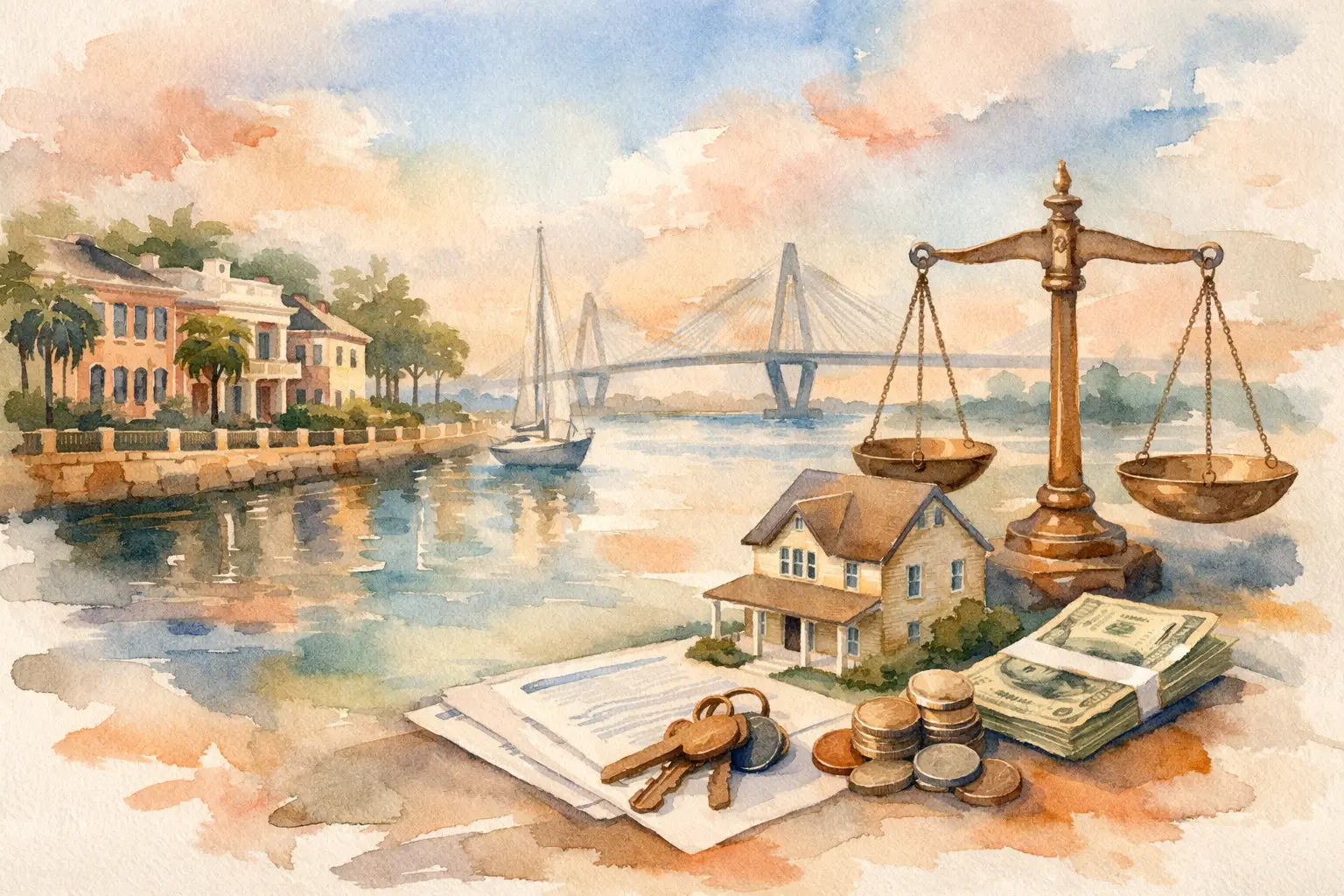
A Charleston home purchase can look comfortable on paper until the closing estimate arrives. The purchase price and down payment get most of the attention, but the fees, prepaid items, and prorations due before settlement can materially change how much cash you need. To prepare for Charleston closing costs, start early, ask for written estimates, and leave room in your budget for expenses that depend on the property, loan, and closing date.
For buyers and sellers across Charleston, Summerville, Mount Pleasant, and the surrounding Lowcountry, the right plan is not simply setting aside a generic percentage. It is understanding which costs apply to your transaction, who typically pays them, and where negotiation may change the final number.
What Charleston Closing Costs Usually Include
Closing costs are the transaction expenses required to transfer ownership, complete financing, document the closing, and establish the buyer's new ownership obligations. They are separate from a buyer's down payment and separate from a seller's mortgage payoff.
For a financed buyer, costs commonly include lender origination or underwriting charges, appraisal fees, credit-related fees, title-related charges, attorney fees, recording fees, and required inspections. Buyers may also need to prepay homeowners insurance, property taxes, and daily mortgage interest through the end of the month in which they close. If the lender establishes an escrow account, there may be an initial deposit for future tax and insurance payments as well.
For a seller, costs can include real estate compensation, attorney and deed preparation fees, deed recording charges, outstanding property taxes or HOA balances, negotiated repair credits, and any payoff-related fees from an existing mortgage. Sellers should also account for the cost of clearing liens, resolving title issues, or satisfying permits and documentation requests when applicable.
The settlement statement is where all of these items come together. Until you have transaction-specific figures, any estimate is just a planning tool.
Why the Property and Closing Date Matter
Two buyers can purchase similarly priced homes and still bring very different amounts to closing. Loan structure is one reason. A conventional loan, FHA loan, VA loan, and cash purchase each involve different fee structures, insurance requirements, and possible concessions.
The property itself also matters. A home in a planned community may have transfer, capital contribution, document, or resale certificate fees. A condominium can bring additional association requirements. Flood exposure may require flood insurance, which affects both your ongoing payment and the money needed before closing. In coastal Charleston, insurance deserves early attention rather than a last-minute phone call.
Your closing date affects prepaid interest and tax prorations. Closing near the beginning or end of a month can change the amount of daily interest collected at settlement. Property tax treatment can also vary based on the billing cycle, ownership dates, and whether the property is an owner-occupied residence or an investment property. Your closing attorney and lender can explain the figures on your disclosure, but asking about them early helps avoid surprises.
Buyer Planning: Start With the Loan Estimate
If you are financing your purchase, your lender should provide a Loan Estimate shortly after you apply. This is one of the most useful documents for building a realistic cash-to-close budget. Review the estimate with care, particularly the sections covering loan costs, other costs, prepaid items, initial escrow payment, and the estimated cash to close.
Do not assume every charge is fixed. Some lender charges are set by the lender, while other services may be selected from approved providers or are determined by the actual transaction. If something is unclear, ask what the fee covers, whether it can change, and whether it is being paid by the buyer, seller, or lender credit.
A smart buyer keeps three numbers separate: the down payment, the estimated closing costs, and the reserves left after closing. Using every available dollar for the down payment can create unnecessary pressure when an inspection reveals a repair, an insurance premium is higher than expected, or moving costs arrive at the same time.
Build a cash-to-close cushion
A practical cushion is especially valuable in Charleston's competitive market, where inspections, repairs, appraisals, and negotiated seller concessions can shift during the contract period. Your lender's initial estimate is not a final bill. It should become more precise as the property, insurance policy, title work, and closing date are confirmed.
Ask your lender for an updated estimate after key milestones, including appraisal completion and final insurance quotes. Before settlement, review the Closing Disclosure closely. Compare it with the Loan Estimate and request an explanation for material changes.
Seller Planning: Look Beyond the Sale Price
Sellers often focus on their expected net proceeds, which is the right instinct. The mistake is estimating that number from the sale price alone. Your mortgage payoff, real estate compensation, tax and HOA prorations, repair commitments, buyer credits, attorney charges, and any lien resolution all affect the final figure.
Before listing, request a preliminary net sheet based on a realistic price range. This gives you a working estimate of what you may receive at closing and identifies potential issues before the home is under contract. If your current loan has a payoff requirement, confirm the payoff process and whether there are fees or timing considerations.
A seller credit can be a useful negotiation tool, but it should be viewed in the context of the whole offer. A higher offer with a sizable credit is not automatically stronger than a cleaner offer with fewer concessions. Financing terms, appraisal risk, repair requests, closing timeline, and the buyer's ability to close all deserve attention.
Address known issues before the contract does it for you
In the Lowcountry, deferred maintenance can become more expensive once a buyer's inspection begins. Moisture concerns, roof age, HVAC performance, wood-destroying organism findings, drainage, insurance eligibility, and unpermitted improvements can affect negotiations and closing costs.
You do not need to renovate every home before selling it. But you do need a clear strategy. Some sellers benefit from making targeted repairs in advance. Others may price accordingly and prepare for requests after inspection. The better approach depends on the home's condition, the neighborhood, current buyer demand, and the seller's timeline.
Who Pays What Is Often Negotiable
Local custom can provide a starting point, but the contract controls the transaction. Buyers and sellers may negotiate certain closing expenses, repair credits, home warranty costs, lender-allowed concessions, and other items. The answer is rarely as simple as "the buyer always pays this" or "the seller always pays that."
Market conditions matter. When inventory is tight and multiple buyers are competing, sellers may have less reason to contribute toward buyer costs. When buyers have more choices, a seller-paid credit may help a listing stand out or help a qualified buyer manage cash at closing. A credit must also fit within the buyer's loan guidelines, so involve the lender before making assumptions.
An experienced agent should evaluate closing-cost requests alongside price, financing, contingencies, and the probability of a smooth settlement. The goal is not merely to win an offer. It is to reach the closing table with terms that still make financial sense.
A Better Way to Prepare for Charleston Closing Costs
The most reliable approach is to create a transaction-specific budget as soon as you are serious about buying or selling. Buyers should speak with a lender before touring homes at the top of their approval range, obtain insurance guidance early, and ask how HOA or flood-related expenses could affect cash to close. Sellers should review a net proceeds estimate before choosing a list price and should disclose known property issues accurately.
Keep your budget flexible until the final closing figures are issued. Avoid opening new credit accounts, moving large sums without documentation, or making major purchases during a financed transaction unless your lender confirms there is no impact. For sellers, continue paying mortgage, tax, and HOA obligations as required until the closing attorney provides final instructions.
Matt Miller Sells Charleston LLC helps clients evaluate the local variables that can affect a transaction long before the settlement appointment. Clear expectations, strong negotiation, and early coordination with the lender, attorney, insurer, and HOA can prevent a manageable expense from becoming a closing-day surprise.
When you understand the likely costs before making an offer or accepting one, you can make decisions from a position of confidence rather than urgency. That is the kind of preparation that protects both your budget and your leverage.
Categories
Recent Posts











Matt Miller Sells Charleston LLC
Phone