
Equestrian Properties for Sale Charleston SC
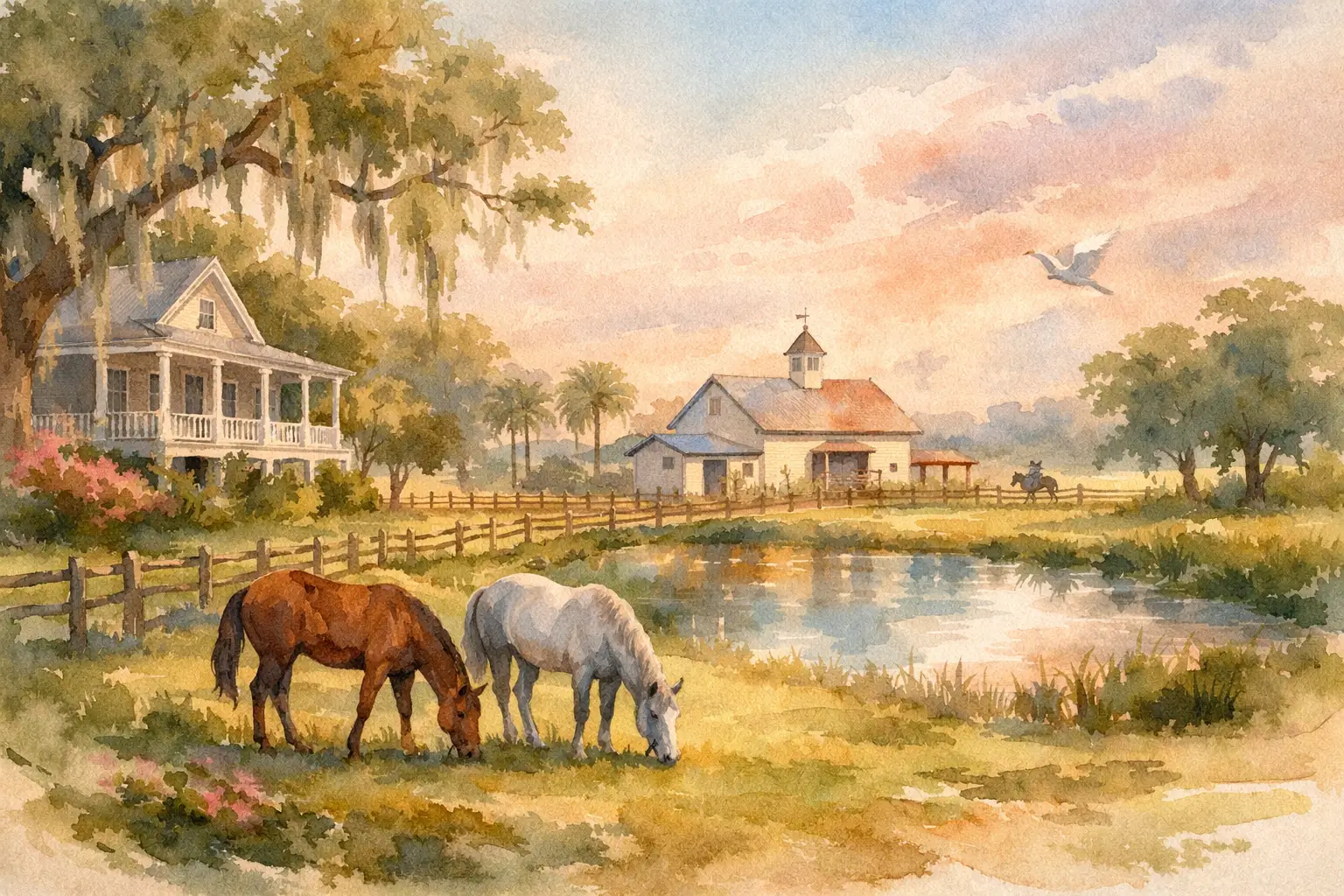
If you are searching for equestrian properties for sale Charleston SC, you are not looking for a standard home search. Horse property requires a different level of evaluation because the wrong layout, zoning issue, or location constraint can affect daily use, resale value, and the long-term cost of ownership.
In the Charleston area, equestrian real estate can range from a few acres with a small barn to larger estates designed for boarding, training, or private riding use. What matters most is not just the house or the acreage total. It is whether the property actually works for the way you plan to live, ride, and manage horses.
What makes equestrian properties for sale in Charleston SC different
A traditional residential purchase usually starts with square footage, school zones, and commute times. Horse property adds another layer. Buyers need to evaluate usable land, drainage, fencing, stable condition, trailer access, and whether local regulations support the intended use.
That is especially relevant in the Charleston region, where geography and soil conditions can vary significantly from one area to another. A property may look ideal on paper because it shows several acres, but if a meaningful portion is wet, poorly drained, heavily wooded, or difficult to access, the practical value changes quickly.
This is why equestrian buyers benefit from market guidance that goes beyond standard home search criteria. A property can be attractive and still be a poor fit for horses. On the other hand, a less polished listing may offer better land use, more functional outbuildings, and stronger long-term utility.
Where buyers typically look for horse property near Charleston
Charleston itself is not where most buyers find true horse-ready inventory. The broader metro area, especially inland communities, tends to offer better opportunities for acreage, barn structures, and riding space. Summerville and surrounding parts of Dorchester, Berkeley, and Charleston counties often draw buyers who want more room without moving too far from employment centers, schools, or coastal amenities.
Location decisions usually come down to trade-offs. If you want shorter access to downtown Charleston, beaches, or major medical and employment hubs, you may pay more for less land. If your top priority is acreage, privacy, and horse infrastructure, expanding the search radius often creates better value.
For some buyers, proximity to trails, trainers, veterinary services, or feed suppliers matters just as much as commute time. For others, the goal is simply enough space for private use. Those priorities should shape the search from the beginning because they affect both property selection and budget.
How to evaluate land on equestrian properties for sale Charleston SC
Acreage alone does not tell the story. Usable acreage is what matters. Flat, well-drained pasture can be far more valuable than a larger parcel with significant low areas or land that requires expensive clearing and improvement.
Drainage is a major factor in this market. Charleston-area properties can be impacted by seasonal rain, low-lying conditions, and soil limitations. Buyers should pay close attention to whether paddocks hold water, how the barn area drains after storms, and whether turnout space remains practical year-round.
Fencing also deserves a close review. Some properties are marketed as horse farms even though the fencing is outdated, incomplete, or not appropriate for equine use. Replacing fencing across multiple acres can become a major expense after closing.
Access is another issue that buyers sometimes underestimate. A property may have enough room for horses but still be difficult for trailers, service vehicles, or deliveries. Gate width, driveway turning radius, and road access all matter if the property will be used actively.
The house matters, but the infrastructure matters more
Many buyers start with the residence, which is understandable. You are still buying a home. But with equestrian real estate, the supporting improvements often determine whether a property is truly functional.
Barn quality, stall layout, tack storage, wash areas, feed rooms, and water access all affect day-to-day use. So do arena conditions, lighting, run-in sheds, and the overall efficiency of the setup. If the property will support multiple horses, boarding activity, or regular riding, those details become operational necessities rather than nice extras.
There is also a cost question. A property with a more modest house but strong horse infrastructure may offer better value than a more upgraded residence with limited equestrian utility. It depends on your goals. Some buyers want turnkey horse facilities. Others are comfortable improving the land over time if the location and home are right.
Zoning, restrictions, and intended use
Not every acreage property allows the same level of horse use. Before moving forward, buyers should confirm zoning, deed restrictions, HOA rules if applicable, and any county regulations that affect animal use, accessory structures, or business activity.
This is where many purchases become more complex than expected. A buyer may assume that horses are allowed because neighboring land appears rural, only to find limitations on the number of animals, commercial boarding, or future structure expansion. If your plan includes lessons, training, boarding, or a home-based equestrian business, those details should be reviewed early.
Even for private use, it is smart to understand what flexibility the property offers long term. Needs change. A buyer who starts with two horses may later want additional stalls, a ring, or expanded turnout. A property that works only in its current form can be limiting.
Pricing realities in the Charleston-area equestrian market
Equestrian properties do not always price in a straightforward way. Condition of improvements, land usability, location, and scarcity can all create pricing gaps between seemingly similar listings.
A horse property closer to Charleston may command a premium simply because inventory is limited and the land itself is hard to replace. Meanwhile, a property farther out may offer substantially more acreage and better facilities for the same price point. Buyers need to decide whether convenience or capability matters more.
It is also worth remembering that lower list price does not always mean better value. A property that needs drainage work, fencing replacement, barn repairs, and site cleanup may cost far more over time than a better-prepared option. The right purchase is the one that matches your intended use without creating avoidable post-closing surprises.
What sellers should know before listing horse property
Selling equestrian real estate requires a different presentation strategy than selling a typical suburban home. Buyers in this category want clarity. They need to understand acreage use, barn features, zoning, pasture layout, and what makes the property functional.
That means marketing should highlight more than the residence. Good photography, accurate descriptions of equestrian improvements, and realistic positioning on land utility are critical. If drainage, fencing, access, or facility upgrades are strengths, those points should be made clearly.
Pricing also needs discipline. Overpricing a niche property can reduce serious activity because qualified buyers tend to be informed and selective. They are not just comparing kitchens and primary suites. They are comparing operational value.
For sellers, this is where local market knowledge matters. The right positioning can help the property reach buyers who understand the value of the setup rather than treating it like a standard acreage listing.
Why local representation matters with equestrian properties
Horse property transactions involve more variables than most residential deals. Beyond contract terms and price negotiations, buyers and sellers often need guidance around land use, inspection priorities, property positioning, and realistic market expectations.
In a market like greater Charleston, local experience matters because micro-locations matter. Conditions can change from one area to the next, and so can buyer demand. An experienced local agent can help identify where a property is likely to hold value, where due diligence should go deeper, and how to approach negotiations with the full picture in mind.
For buyers relocating from out of state, that guidance becomes even more important. What works in another equestrian market may not translate directly here. Soil, flood considerations, property configuration, and county-level rules all deserve careful review before making a commitment.
Matt Miller Sells Charleston works with buyers and sellers who need that level of market-specific guidance, especially when the property is not a one-size-fits-all transaction.
The best equestrian properties are not always the flashiest listings. They are the ones that support the way you actually plan to live, care for horses, and protect your investment over time. If you start with the right local strategy, the search becomes more focused, the decisions become clearer, and the property you choose has a far better chance of serving you well for years to come.
Categories
Recent Posts








Matt Miller Sells Charleston LLC
Phone