
Charleston Waterfront Homes: What Buyers Need
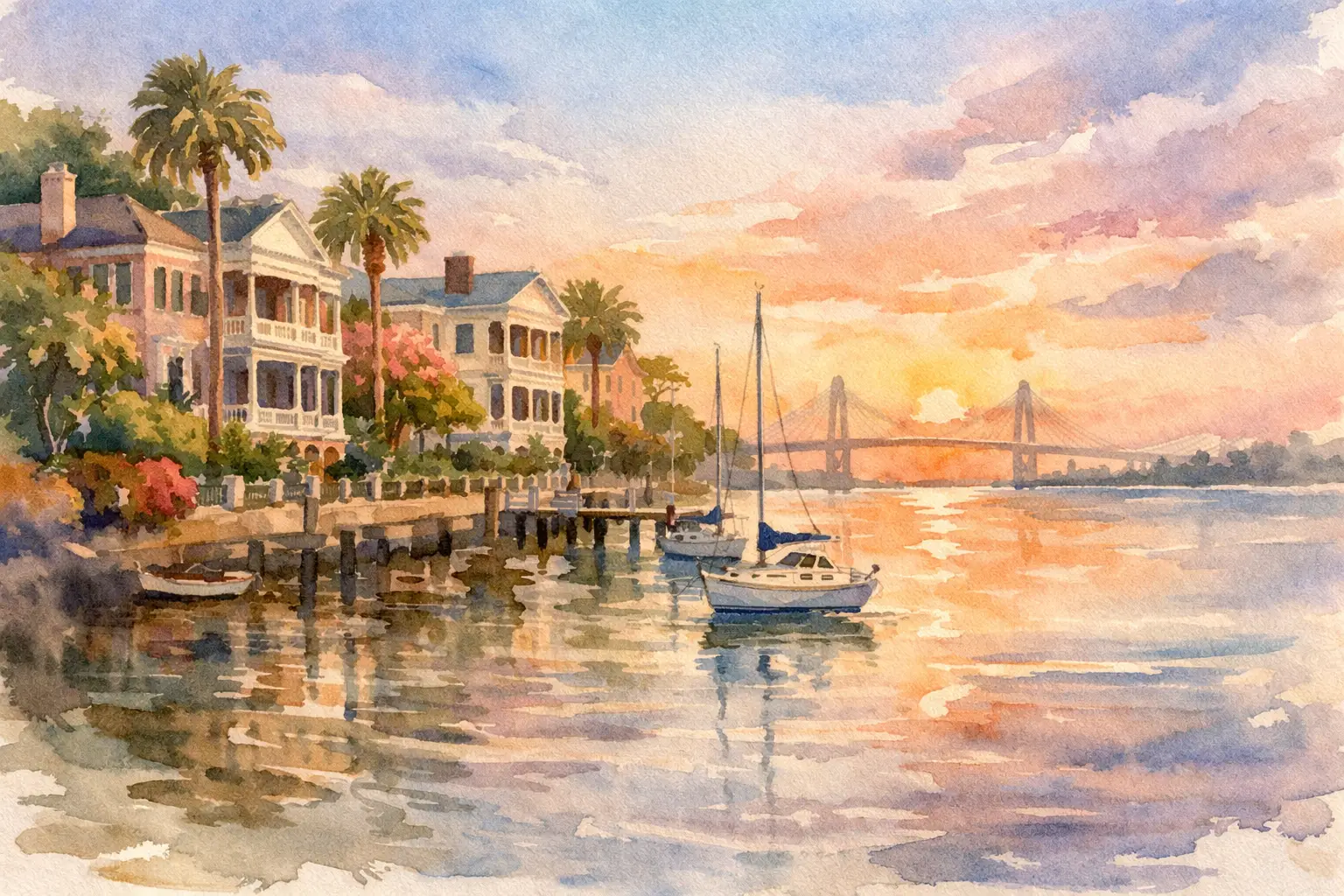
The view can sell you in five seconds. The property itself takes a lot more discipline.
Charleston waterfront homes attract buyers for obvious reasons - marsh views, deepwater access, sunsets over the harbor, and a daily connection to the Lowcountry landscape that few property types can match. But waterfront buying in the Charleston area is not just about scenery. It is a market segment with different rules, different risks, and different opportunities than a standard residential purchase.
For buyers relocating to Charleston, moving up within the market, or investing in a lifestyle property, the biggest mistake is assuming all waterfront homes offer the same value. They do not. The right purchase depends on what kind of water frontage you want, how you plan to use the property, and how comfortable you are with the costs and responsibilities that come with owning on the water.
Why Charleston waterfront homes command attention
Waterfront inventory is limited by geography, and that scarcity matters. In a market like Charleston, where location already drives value, direct water access or unobstructed water views can create a substantial premium. That premium is often justified, but it needs to be understood clearly.
Some homes sit on deepwater and can support boating at most tides. Others back to tidal creeks or marsh, where the view is exceptional but water access may be limited by tide, dock permits, or lot configuration. A property on the Intracoastal Waterway can offer one experience, while a home on a quiet creek in Mount Pleasant, James Island, Johns Island, or West Ashley can offer something very different. Buyers who do not define their priorities early can end up paying for features they will not really use.
This is where local market knowledge matters. Two waterfront homes can look similar online and perform very differently in long-term value, insurance costs, flood exposure, maintenance, and resale appeal.
What counts as waterfront in Charleston
In Charleston real estate, waterfront is not a single category. It usually falls into a few practical types, and the distinctions affect both price and usability.
Deepwater homes
These are typically the most sought-after. A deepwater property may allow a boat to remain accessible through a broad range of tides, which is a major value driver for serious boaters. If a buyer wants to keep a larger vessel behind the house, deepwater access is often the target. That said, buyers still need to confirm actual navigability, dock condition, water depth, and any restrictions that apply to the property.
Tidal creek and marshfront homes
These homes often deliver some of the best views in the region. They can also feel more private and more connected to the natural environment. The trade-off is that access to the water may be highly tide-dependent, and some lots may not support the kind of dock or boat use a buyer initially imagines. For many owners, that is perfectly acceptable because the value is in the setting rather than full-time boating access.
Harbor, river, and Intracoastal properties
These can carry premium pricing because of broader views, stronger boating utility, and a more recognizable waterfront profile. They may also come with greater exposure to wind, storm impacts, or heavier vessel traffic. A buyer who loves the openness of these locations should also be realistic about upkeep and weather exposure.
The costs buyers need to evaluate carefully
The purchase price is only the first number. Waterfront ownership in Charleston often comes with a layered cost structure, and overlooking that can turn an exciting purchase into a frustrating one.
Flood insurance is the most obvious example. Depending on elevation, structure type, flood zone, and lender requirements, the annual cost can vary significantly. One home may have a manageable premium because of elevation and updated construction, while another with a similar list price may carry a much heavier annual expense.
Insurance more broadly deserves close review. Wind and storm coverage, deductibles, and carrier appetite can all differ for waterfront properties. Buyers should price insurance before they are deep into a transaction, not after they are emotionally committed.
Maintenance is another major factor. Salt air, moisture, docks, pilings, seawalls, porches, exterior materials, and mechanical systems all face more wear on the water. Even a well-built property usually requires more vigilance than an inland home. That does not make waterfront ownership a bad decision. It just means buyers should budget for ownership realistically.
Due diligence matters more on waterfront property
A standard home purchase already requires careful review. Waterfront property raises the stakes.
Flood zone and elevation
A buyer needs more than a casual understanding of the flood map. It is important to know the flood zone designation, whether the home has an elevation certificate, whether improvements were made with permits, and how the structure compares to current standards. These details affect insurance, financing, and future resale.
Dock, seawall, and shoreline condition
If the property has a dock, bulkhead, or revetment, those improvements need scrutiny. Age, maintenance history, permit status, and structural condition all matter. Replacing or significantly repairing waterfront improvements can be expensive and time-consuming, and permitting can add complexity.
Access and use restrictions
Not every waterfront lot offers the same rights or potential. There may be easements, HOA rules, dock limitations, environmental restrictions, or setback issues that affect what an owner can do now or later. Buyers should verify actual use rights rather than assuming that visible water frontage guarantees broad flexibility.
Drainage and site performance
Charleston-area buyers already understand that water movement matters. On a waterfront lot, drainage, grading, vegetation, and the way the site handles heavy rain deserve serious attention. A beautiful lot can still create practical problems if site conditions are ignored.
Buying for lifestyle versus buying for resale
The strongest waterfront purchases usually balance both.
Some buyers are focused on lifestyle first. They want a dock for weekend boating, a marsh view from the back porch, or a primary residence that feels tied to the water every day. That is a legitimate reason to buy, and in many cases it is exactly why waterfront homes hold long-term appeal.
But resale should still stay in the conversation. A home with broad buyer appeal typically has stronger long-term positioning than one with highly specific limitations. For example, a property with a good elevation profile, useful outdoor living space, strong water views, and practical floor plan may outperform a more dramatic but functionally compromised home when it is time to sell.
This is where a local advisor adds value. The goal is not just to help a buyer win a property. It is to help them avoid overpaying for features that may not translate well when market conditions change.
Where buyers often see opportunity
Charleston waterfront homes exist across several submarkets, and opportunity looks different in each one. In some areas, buyers are paying for established prestige and easier access to downtown Charleston. In others, they may find more land, newer construction, or a different balance between privacy and commute.
Mount Pleasant often draws buyers looking for established waterfront neighborhoods, strong schools, and proximity to both downtown and the beaches. James Island can appeal to buyers who want water orientation with convenient access to Charleston. Johns Island may offer a different value equation, especially for buyers prioritizing lot size, privacy, or a less compressed setting. West Ashley also presents options that deserve attention, particularly for buyers who want to stay connected to core Charleston amenities while pursuing a waterfront property.
The key is not chasing a broad label like waterfront. It is matching location, lot characteristics, home condition, and intended use. That is why buyers who start with a clear brief tend to make better decisions than those who start with only a dream view and a budget ceiling.
How to approach a Charleston waterfront homes search
Buyers do best when they narrow the field early. First, determine whether your priority is view, boating, privacy, resale, or a combination of those factors. Then evaluate how much ongoing cost and maintenance you are comfortable carrying. Those answers will shape where you should focus.
From there, review inventory with a critical eye. A lower-priced waterfront home is not automatically the better value if insurance, repairs, dock work, or deferred maintenance will close the gap quickly. On the other hand, a well-positioned property with strong fundamentals can justify a premium because it reduces risk and protects resale.
This is also a market segment where speed and discipline need to work together. Desirable waterfront properties can attract strong attention, especially when location and condition line up. Buyers need to be ready to act, but not at the expense of due diligence. An experienced Charleston-area agent can help frame that balance, identify red flags early, and negotiate from a position grounded in actual market knowledge rather than emotion.
For clients looking at this category, Matt Miller Sells Charleston LLC understands that the real job is not finding a home with water behind it. It is helping buyers evaluate the property as an asset, a residence, and a long-term decision.
The right waterfront home should still make you pause when you step onto the porch. It should also make sense after the inspection, the insurance quote, and the hard questions are answered.
Categories
Recent Posts











Matt Miller Sells Charleston LLC
Phone