
Charleston Foreclosure Real Estate Help
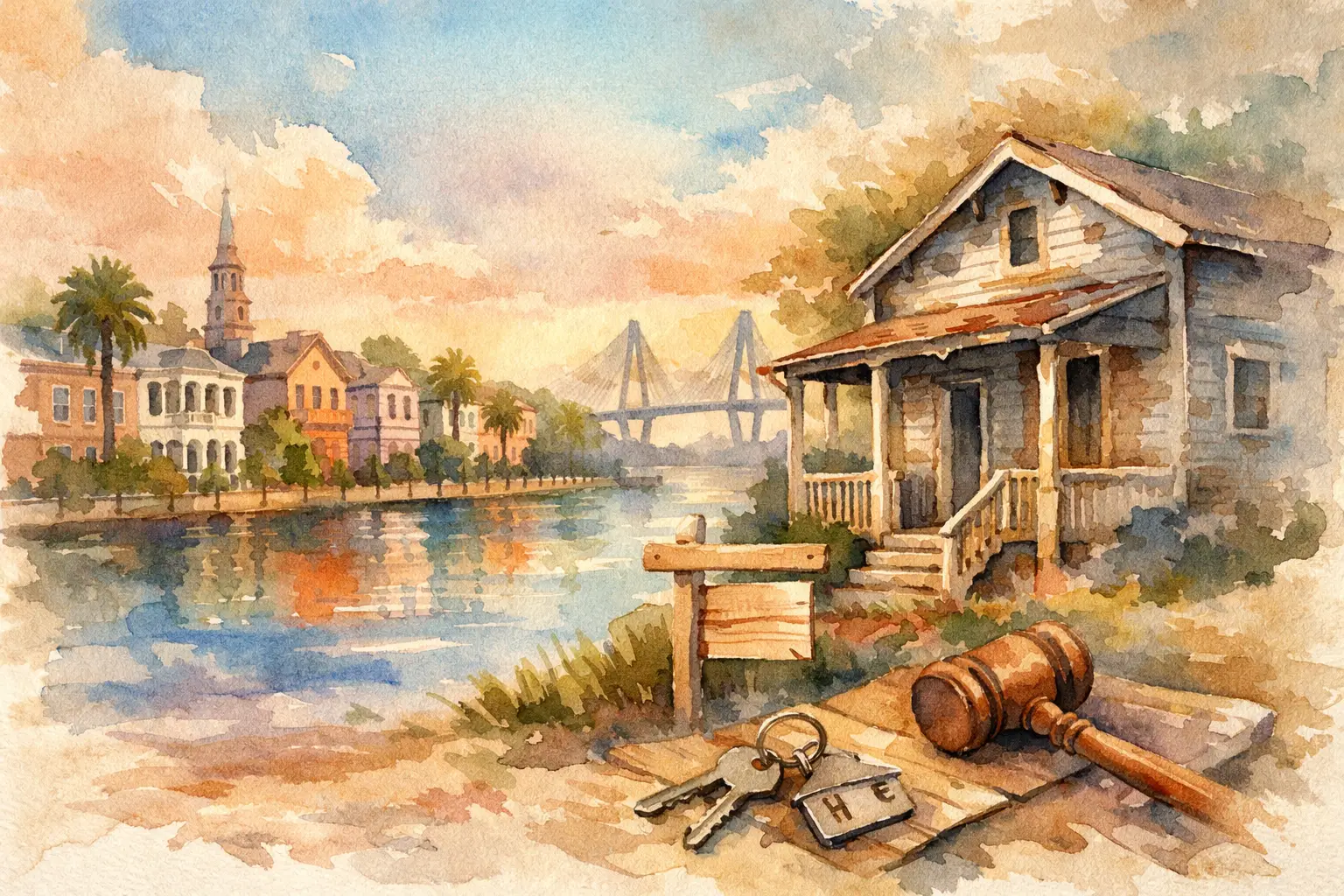
A foreclosure timeline does not leave much room for guesswork. If you are behind on payments, trying to protect your equity, or considering buying a distressed property, Charleston foreclosure real estate help needs to be practical, local, and based on how these transactions actually move in this market.
Foreclosure situations in Charleston are rarely simple. Some owners are trying to avoid a completed foreclosure and sell before the process advances further. Some buyers see an opportunity but underestimate repair costs, title issues, or the pace of lender-driven decisions. In both cases, the right strategy depends on timing, property condition, loan status, and neighborhood demand.
When Charleston foreclosure real estate help matters most
The earlier you get clear advice, the more options you usually have. Homeowners often wait too long because they assume the situation will improve, or they are unsure whether selling is still possible. In many cases, a pre-foreclosure sale can still be pursued if there is enough time to coordinate with the lender, price the home correctly, and attract a qualified buyer.
For buyers, the mistake is often the opposite. They move too fast because the price looks attractive. A foreclosure or distressed sale can offer value, but it can also involve deferred maintenance, incomplete disclosures, occupancy complications, or lender paperwork that takes longer than a standard sale. A lower list price does not always mean a better overall deal.
Options for homeowners facing foreclosure in Charleston
If you own a home and are falling behind, the first priority is understanding whether the property can be retained, sold conventionally, or sold through a lender-approved process. That starts with reviewing the loan balance, missed payments, fees, current market value, and how much equity remains.
If there is equity in the home, listing the property before foreclosure is often the strongest path. In parts of Charleston, Summerville, and surrounding communities, pricing and demand can still create a viable exit even under pressure. The key is not simply getting the home on the market. It is pricing it to move, preparing it enough to attract serious buyers, and managing the transaction tightly so deadlines do not slip.
If the mortgage balance and related costs exceed what the home can sell for, a short sale may be part of the discussion. That process can work, but it requires patience and detailed communication with the lender. It also depends on whether the lender will approve the terms. Short sales are not automatic, and they are not quick just because the seller needs them to be.
Some owners also explore loan modification or repayment arrangements. Those are lender-side solutions rather than sales strategies, but they can affect whether listing the home makes sense. The right real estate guidance in this situation should be coordinated with the reality of the loan, not separated from it.
What buyers should know about foreclosure properties
Buying a foreclosure in the Charleston area can be worthwhile, especially for buyers who are financially prepared and realistic about repairs. It can also be more demanding than a typical resale purchase.
Condition is the first issue. Distressed homes often have maintenance problems that built up over time. HVAC systems may have been neglected, roofs may be near the end of their life, and smaller issues like leaks or damaged flooring can signal larger deferred costs. A buyer who is comfortable with cosmetic work may still be caught off guard by plumbing, electrical, or foundation concerns.
The second issue is process. Bank-owned homes and distressed properties may come with seller addenda, stricter terms, less flexibility on repairs, and slower response times. Some transactions move quickly once accepted, while others stall in review. It depends on who controls the asset, how they handle negotiations, and whether title or occupancy issues need to be resolved.
The third issue is competition. If a foreclosure is priced well in a desirable Charleston-area location, investors and cash buyers may move fast. Traditional owner-occupant buyers can still compete, but they need strong financing, realistic expectations, and an agent who knows how to position an offer in a distressed-property setting.
Charleston foreclosure real estate help for sellers
For sellers, local market knowledge matters more than generic foreclosure advice. A distressed property in downtown Charleston, West Ashley, James Island, North Charleston, or Summerville does not get evaluated the same way. Neighborhood demand, insurance concerns, lot value, and condition all shape what a realistic sale looks like.
A strong approach usually starts with an honest pricing analysis. That means looking beyond broad online estimates and focusing on as-is value, likely buyer pool, repair sensitivity, and timing. In a foreclosure-related sale, overpricing can do real damage because there may not be enough time to test the market and adjust later.
Presentation still matters, even when the home needs work. Sellers do not always need full updates. They do need a plan. Sometimes that means basic cleanup, removing obvious obstacles to showings, and making sure the property can be accessed and marketed effectively. Sometimes the better move is pricing aggressively and targeting buyers who are specifically looking for as-is opportunities.
Communication is another major factor. If a lender is involved, every delay can become more expensive. The transaction has to be managed closely, with clear expectations for buyers, quick document turnaround, and steady coordination from listing to closing.
How to evaluate a foreclosure opportunity as a buyer
The right way to assess a distressed property is to stop looking only at the list price. Start with total acquisition cost. That includes repairs, carrying costs, insurance, financing terms, and how the property compares to nearby homes once those issues are addressed.
In Charleston, that analysis can get more specific. Older homes may involve age-related system updates. Coastal exposure may affect insurance and maintenance planning. In some neighborhoods, the land and location support stronger upside. In others, a low purchase price may not leave enough room for the repairs needed to justify the investment.
Buyers should also understand the difference between a good deal and a cheap problem. If a property is difficult to finance, has unresolved title concerns, or needs major structural work, the discount may not be enough to justify the risk. On the other hand, if the issues are manageable and the location is strong, a foreclosure purchase can make sense for a buyer with the right budget and timeline.
What a local agent adds in foreclosure situations
Foreclosure-related transactions are less forgiving than standard deals. There is less room for vague pricing, missed deadlines, or weak negotiation. A local agent should be able to do more than open doors and send forms. They should be able to assess marketability, identify likely obstacles early, and guide the transaction based on actual Charleston-area conditions.
That includes knowing how buyers are reacting to as-is inventory in specific communities, how to price around condition and urgency, and how to structure offers when a lender or asset manager is involved. It also means being direct with clients. Some properties should be sold quickly. Some should not be purchased at all. Some situations call for a traditional listing strategy, while others require a more specialized path.
For clients who want experienced Charleston foreclosure real estate help, that local judgment is what reduces costly mistakes. Matt Miller Sells Charleston LLC works with buyers and sellers who need grounded advice, responsive communication, and a strategy built for this market rather than a generic script.
The biggest mistake to avoid
The biggest mistake is waiting for certainty before taking action. Sellers often delay because they hope the problem will resolve itself. Buyers often hesitate until the best distressed opportunities are already gone. In both cases, the market keeps moving.
The better approach is to get a clear read on value, condition, and timing as early as possible. That does not force a decision before you are ready. It gives you a realistic picture of your options while there is still room to choose among them.
If foreclosure is part of your situation, the goal is not just to react. It is to make the best available move while time, equity, and leverage are still on your side.
Categories
Recent Posts










Matt Miller Sells Charleston LLC
Phone