
Buying Historic Homes in Charleston: What to Check
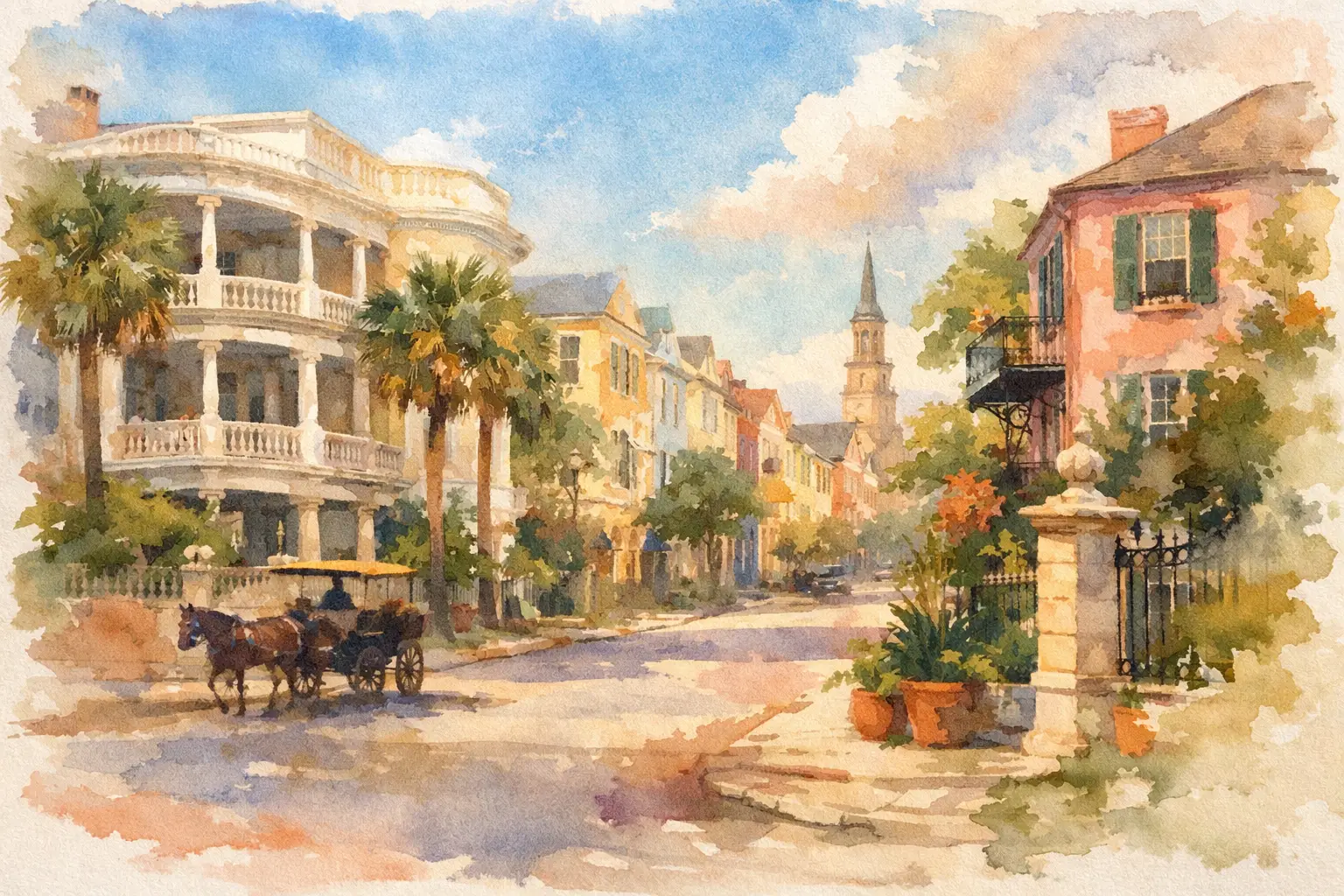
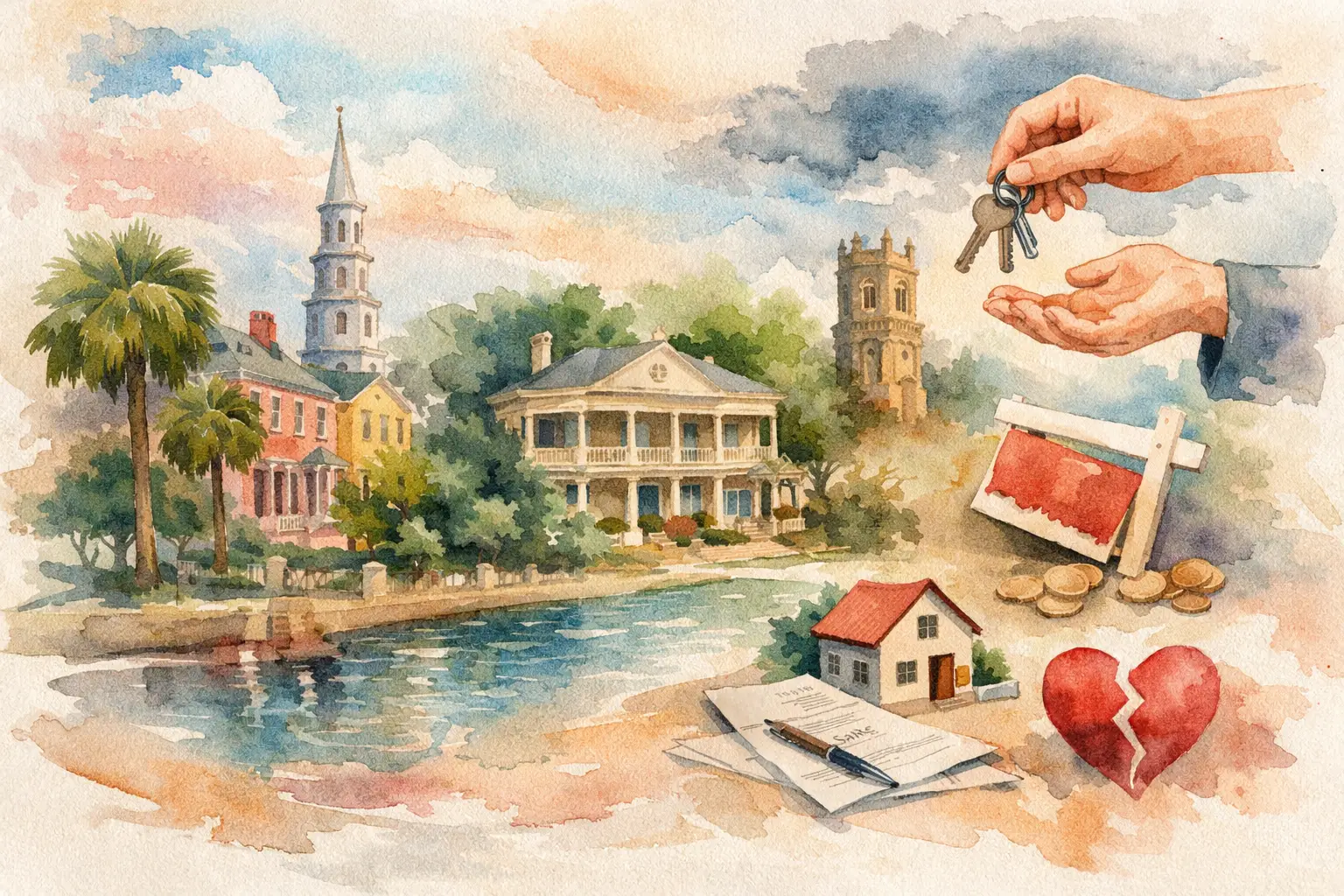
A piazza, original heart-pine floors, tall windows, and a Charleston address can make a historic property hard to walk away from. But buying historic homes in Charleston is not the same as buying a newer home with period-inspired finishes. The details that create character can also affect your renovation plans, insurance costs, financing timeline, and long-term ownership budget.
Charleston's historic housing stock is one of the area's greatest assets, from downtown single houses and renovated row homes to older properties in nearby communities. A well-bought historic home can offer exceptional location, architectural value, and lasting appeal. The key is separating ordinary age-related maintenance from issues that could change the economics of the purchase.
Buying Historic Homes in Charleston Starts With Location
Not every older Charleston home is subject to the same rules. A property may be historic because of its age and design, located in a protected historic district, individually designated, or simply older without formal preservation restrictions. Those distinctions matter before you write an offer.
In the City of Charleston, exterior work on properties within certain historic districts may require review and approval. Changes to windows, doors, porches, roofing materials, fences, additions, and visible mechanical equipment can be regulated. Interior renovations are often more flexible, but buyers should never assume that a project is permitted simply because a neighbor completed something similar.
Before moving forward, confirm the property's district status, identify any recorded easements or covenants, and ask whether prior renovations received the proper approvals and permits. An unpermitted addition or alteration can become the buyer's problem at closing, especially when it affects insurance, appraised value, or a future renovation plan.
Location also means understanding the block itself. Downtown Charleston can vary dramatically from one street to the next in terms of parking, traffic, drainage, short-term rental activity, nearby commercial use, and flood exposure. For a buyer relocating to the area, a home tour should include time outside the property at different points of the day, not just a quick look during a scheduled showing.
Look Beyond the Cosmetic Charm
Historic homes reward careful inspection. Fresh paint and a beautifully staged parlor do not tell you whether the electrical system is current, the crawl space is dry, or the foundation has been professionally evaluated.
A standard home inspection is essential, but older properties often benefit from additional specialists. Depending on the home's condition, that may include a structural engineer, electrician, plumber, chimney professional, roofer, HVAC contractor, pest inspector, or sewer-scope provider. This is not an attempt to find fault with every older home. It is a way to understand what you are buying and price future work realistically.
Foundation, framing, and moisture
Charleston's climate creates a particular set of concerns. Humidity, heavy rain, high water tables, and coastal storms can affect crawl spaces, framing, masonry, and drainage. Some settling is common in a home that has stood for a century or more. The question is whether movement is historic and stable or ongoing and significant.
Look for signs of moisture intrusion, deteriorated wood, uneven floors, cracks that warrant professional review, inadequate grading, and standing water beneath the home. Older homes may have been elevated, repaired, or modified over decades. Ask for documentation when available, including past engineering reports, elevation records, drainage work, and invoices for major structural repairs.
Electrical, plumbing, and mechanical systems
Original details are desirable. Original electrical wiring and aging plumbing may not be. Knob-and-tube wiring, aluminum wiring, outdated panels, galvanized supply lines, cast-iron drain lines, and aging HVAC equipment can all affect safety, insurability, and cost.
The condition of these systems matters more than their age alone. A thoughtful renovation may have replaced critical infrastructure while preserving historic character. Conversely, a home with a recent kitchen renovation may still have older systems behind the walls. Ask what has been replaced, when the work was completed, and whether permits were obtained.
Windows, roofs, and masonry
Historic wood windows are a common point of confusion. They can be repairable, efficient when properly maintained, and important to a home's architectural integrity. Replacing them may be expensive and may require approval in regulated districts. Buyers should evaluate condition, not assume replacement is the only answer.
Roofing and masonry deserve the same attention. A roof near the end of its useful life is a budget item. Improper masonry repair can be more complicated. Older brickwork may require compatible materials and experienced craftsmen, especially where softer historic brick or lime-based mortar is involved.
Flood Risk and Insurance Need Early Answers
For many Charleston buyers, flood exposure is one of the most consequential parts of due diligence. A property outside a high-risk flood zone can still experience flooding, and a home inside a flood zone is not automatically a poor purchase. The right decision depends on elevation, drainage, claims history, mitigation measures, and your comfort with the ongoing cost.
Review the current flood zone, elevation certificate if available, prior flood claims, and the seller's disclosures. Ask how the property performed during major rainfall events and storms. Then obtain insurance estimates early, not days before closing. Premiums, deductibles, wind coverage, and carrier requirements can materially change the monthly cost of ownership.
Older homes can also present insurance challenges unrelated to flood risk. Carriers may ask about roof age, electrical updates, plumbing materials, heating systems, and prior claims. Some buyers find that an otherwise affordable historic home requires more specialized coverage or a higher deductible than expected.
A strong offer accounts for these realities. If insurance is difficult to secure at an acceptable price, that is not a minor detail to sort out after inspections. It is part of the property's financial picture from the beginning.
Build a Renovation Plan Before You Commit
Many buyers see a historic home and immediately imagine an expanded kitchen, a reworked primary suite, or a detached guest space. Those improvements may be possible, but feasibility depends on more than taste and budget.
Setbacks, lot coverage, parking requirements, utility placement, district review, tree protections, and the home's existing footprint can all limit what can be built. In dense historic areas, access for construction equipment and materials can add time and cost. If your purchase only works if you can add square footage, verify that opportunity before the end of your due diligence period.
It also helps to distinguish between work you want to do and work the home needs. A cosmetic kitchen update can wait. Foundation repairs, a failing roof, or an obsolete electrical system may need attention much sooner. Buyers who reserve funds for the first year of ownership make decisions with more flexibility and less pressure.
Price the Home for Its Condition, Not Its Story
Historic homes can command a premium because they are scarce, well-located, and architecturally significant. That premium may be justified. It should not erase the cost of deferred maintenance or the limits imposed by a property's condition.
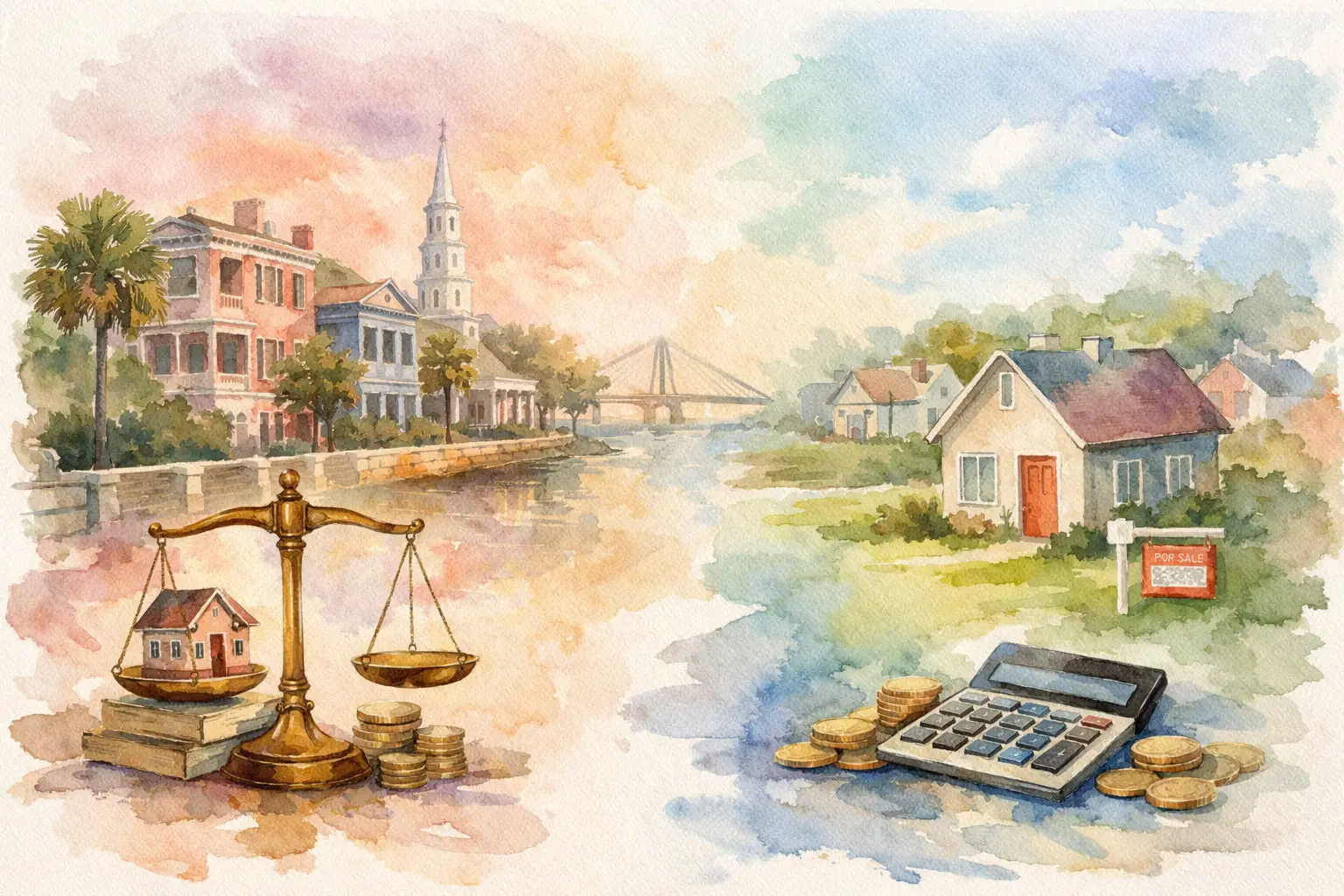
Comparable sales are especially important because two homes of similar square footage can have very different values. One may have fully updated systems, documented renovations, off-street parking, a high elevation, and strong outdoor space. Another may need major work despite similar curb appeal. The right comparison is not just price per square foot. It is condition, location, flood profile, functionality, and likely future investment.
In a competitive situation, buyers may be tempted to shorten inspections or waive protections. That approach can be risky with any property and particularly risky with an older one. A competitive offer can still be well-structured when it is based on quick scheduling, clear timelines, and a realistic understanding of the home's condition.
Work With a Charleston Agent Who Sees the Full Transaction
The best historic-home purchase is not necessarily the one with the most original detail. It is the one that fits your lifestyle, budget, risk tolerance, and plans for the property. That requires local context, careful due diligence, and negotiation that reflects what the inspection, insurance, and permitting picture actually reveals.
Matt Miller Sells Charleston helps buyers evaluate Charleston-area homes with the practical local insight needed to move confidently from showing to closing. A beautiful historic property deserves more than an emotional decision. Give yourself the time and professional guidance to understand its history, its responsibilities, and its potential before you make it yours.
Categories
Recent Posts




Matt Miller Sells Charleston LLC
Phone