
Charleston Suburbs Comparison for Home Buyers
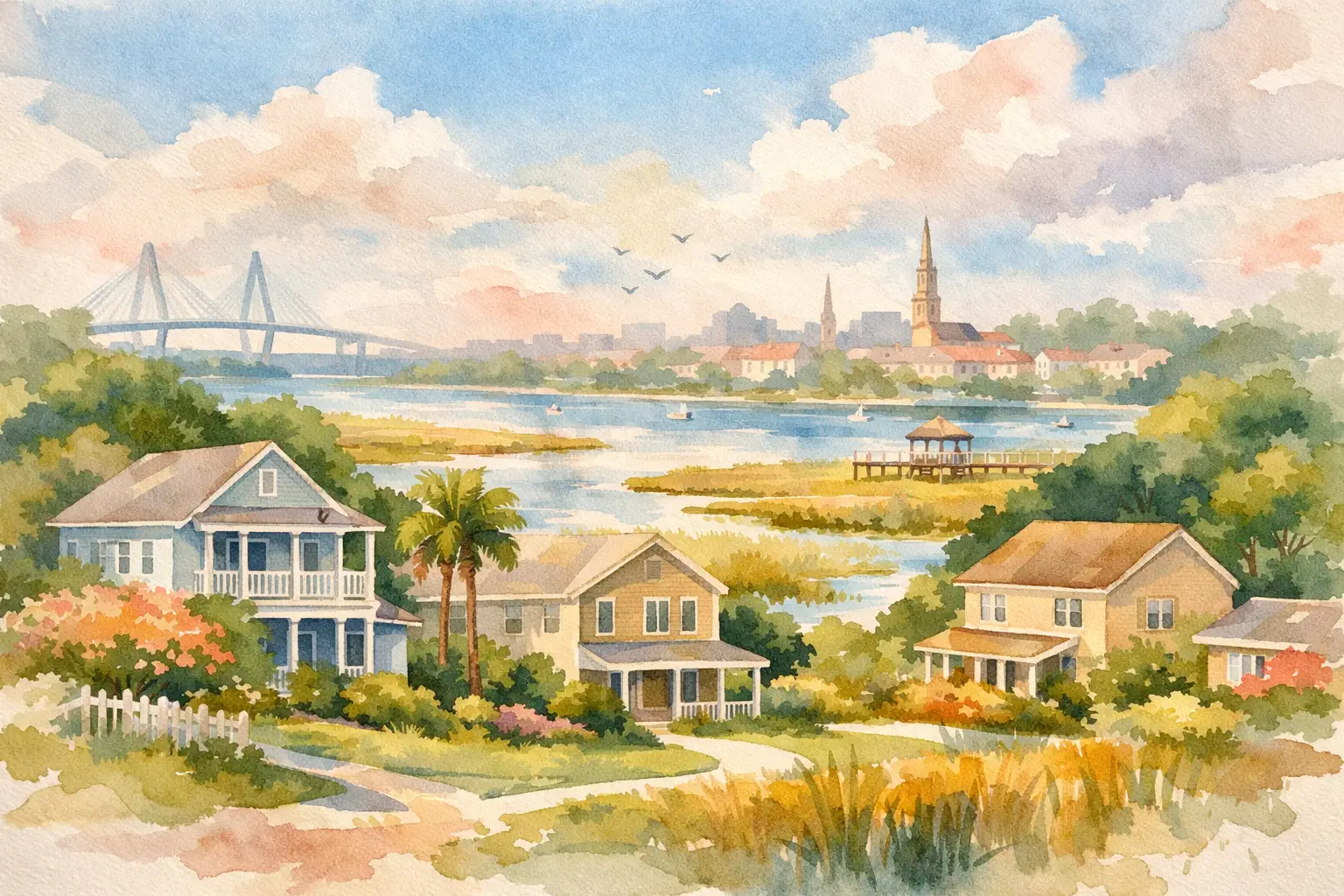
A Charleston suburbs comparison is rarely settled by one feature, one school rating, or one commute estimate. The right fit depends on how you plan to live day to day, what type of home you need, and which trade-offs are acceptable for your budget. In the Charleston metro area, a home that looks comparable online can offer a very different ownership experience once you factor in traffic patterns, flood exposure, HOA rules, taxes, lot size, and access to the places you visit most.
For buyers relocating to the Lowcountry and local homeowners planning their next move, the most useful question is not simply, “Which suburb is best?” It is, “Which community best supports our priorities over the next several years?”
Charleston Suburbs Comparison: Start With Your Priorities
Charleston’s surrounding communities are not interchangeable. Some buyers want established neighborhoods near downtown Charleston and the beaches. Others want newer construction, more square footage, or a longer runway for their housing dollar. A family with a daily commute to North Charleston or Summerville may evaluate location very differently than a remote worker who prioritizes boating access or walkability.
Before narrowing your search, rank the factors that matter most. For many buyers, those include commute reliability, home age and condition, school preferences, flood zone and insurance considerations, neighborhood amenities, lot size, and overall monthly payment. That last number should include potential HOA dues, insurance, property taxes, and any planned repairs, not just the mortgage payment.
Mount Pleasant: Proximity, Amenities, and Strong Demand
Mount Pleasant remains a leading choice for buyers seeking access to downtown Charleston, beaches, restaurants, shopping, and established amenities. Its location east of the Cooper River can be particularly appealing for people who work in Charleston or value regular access to Sullivan’s Island and Isle of Palms.
The trade-off is typically price. Buyers often pay a premium for location, sought-after neighborhoods, and convenience. Inventory can range from older ranch-style homes and traditional Lowcountry properties to newer planned communities and luxury waterfront residences. Lot sizes, HOA structures, and flood risk vary significantly by neighborhood, so broad assumptions about Mount Pleasant can lead to costly surprises.
Mount Pleasant works well for buyers who place a high value on proximity and established services. It may be less compelling for someone whose top priority is maximizing square footage, finding a large yard, or maintaining a lower purchase price.
Daniel Island: Planned Living With a Premium Price Point
Daniel Island offers a distinct planned-community experience with parks, trails, retail, restaurants, schools, and neighborhood events built into its design. Buyers are often drawn to its polished appearance, recreational options, and sense of community. Housing ranges from townhomes and condos to custom homes, including high-end properties near the water and golf courses.
For the right buyer, Daniel Island can simplify the lifestyle decision because many desired amenities are close at hand. However, buyers should review HOA and community association requirements carefully. These fees and rules can influence both monthly carrying costs and what you can do with your property.
The community’s price point means it is best evaluated against your actual priorities, not simply its reputation. If walkability, neighborhood programming, and a highly curated environment matter greatly, the premium may make sense. If privacy, acreage, or fewer restrictions matter more, other areas may be a better match.
James Island: Established Character Near Downtown and the Beach
James Island appeals to buyers who want an established, lived-in feel with practical access to downtown Charleston and Folly Beach. Housing is diverse, from mid-century homes and renovated cottages to newer construction and properties on larger lots. That variety creates opportunity, but it also means condition and location require careful property-by-property analysis.
A house on James Island may be close to the water, downtown, or everyday shopping, yet those advantages can come with flood zone considerations, older infrastructure, or renovation needs. Buyers should not assume that two homes only a few streets apart will have similar insurance requirements or drainage histories.
James Island is often a strong option for buyers who value character and location over a uniform neighborhood appearance. It can also suit buyers willing to improve an older home or make thoughtful updates over time.
West Ashley: Variety and Access West of the Ashley
West Ashley is part of the City of Charleston rather than a separate suburb, but it belongs in many buyer conversations because of its range of housing options and convenient access to downtown. The area includes established neighborhoods, newer communities, condos, townhomes, and homes near shopping corridors and green space.
For buyers, West Ashley can provide more options at different price points than some peninsula-adjacent markets. Commute patterns matter here. A location that is ideal for downtown access may be less convenient for someone traveling daily to Mount Pleasant, North Charleston, or Berkeley County.
As with other coastal areas, flood zone, elevation, drainage, and insurance deserve close attention. A knowledgeable review during the due diligence process is more valuable than relying on a neighborhood label alone.
Summerville: Space, New Construction, and Inland Convenience
Summerville is a practical choice for buyers who want more home for their budget, newer construction options, or a more inland location. The area includes historic sections with mature trees and charm, as well as large master-planned communities with new homes, amenities, and growing retail access.
For many families and move-up buyers, Summerville offers the opportunity to prioritize bedrooms, storage, garages, and yards without competing at the same price point found closer to downtown or the beaches. It is also a natural consideration for buyers working in North Charleston, Ladson, Goose Creek, or along the I-26 corridor.
The central trade-off is travel time. A commute from Summerville to downtown Charleston, Mount Pleasant, or the beaches can be manageable for some households and frustrating for others, especially during peak traffic. Buyers should test the route at the times they would actually drive it, not only on a weekend afternoon.
Goose Creek and North Charleston: Practical Location and Value
Goose Creek and North Charleston deserve serious consideration for buyers who need access to major employment centers, Joint Base Charleston, the airport, Boeing, healthcare facilities, and the broader North Charleston business corridor. These areas offer a mix of older homes, newer neighborhoods, townhomes, and investment-oriented opportunities.
Value and convenience are often the primary draws, though each neighborhood has its own feel, age of housing, school assignments, and commute advantages. North Charleston in particular is geographically broad, so “North Charleston” alone does not tell you enough about the property or surrounding area.
These communities can be excellent fits for first-time buyers, investors, and households who want to keep commute time under control. The strongest approach is to compare specific neighborhoods against your employment location and preferred daily routine.
Johns Island: Privacy, Land, and a Different Pace
Johns Island is attractive to buyers seeking larger lots, a more rural setting, newer homes, and room to spread out. It can also appeal to those interested in equestrian possibilities, gardening, privacy, or a less densely developed environment. The island has changed substantially, and housing options now range from modest homes to gated luxury communities and expansive estates.
The trade-off is infrastructure and travel. Depending on the exact location, getting to downtown Charleston, West Ashley, Kiawah, or other destinations may involve bridge traffic and longer drive times. Buyers should also investigate zoning, well and septic systems where applicable, flood characteristics, and any future development near the property.
Johns Island is not the right answer for every buyer, but it can be the right answer for someone whose lifestyle depends more on space and privacy than quick access to urban amenities.
Look Beyond the ZIP Code Before Making an Offer
The Charleston area rewards careful due diligence. A buyer should evaluate the individual home, not just the community name. Confirm flood zone information, request insurance estimates early, understand HOA restrictions, review seller disclosures, and consider the age and condition of major systems. In coastal South Carolina, drainage, roof age, wind coverage, and elevation can affect the true cost of ownership.
Sellers benefit from the same level of precision. A home’s likely buyer pool may depend on more than bedroom count and square footage. Commute access, neighborhood amenities, condition, insurance factors, and whether the property speaks to a Mount Pleasant, Summerville, James Island, or Johns Island buyer all shape pricing and marketing strategy.
A well-planned search should narrow the field based on how you actually live, then compare homes with clear eyes. Matt Miller Sells Charleston LLC can help buyers and sellers weigh those local details, identify the trade-offs behind the listing photos, and make decisions with a stronger understanding of the market.
The best neighborhood is the one that still works after the excitement of a showing fades: the drive feels reasonable, the monthly costs are sustainable, the home supports your routine, and the location fits the life you want to build in Charleston.
Categories
Recent Posts











Matt Miller Sells Charleston LLC
Phone