
Best Tips for Absentee Owners in Charleston

A home can become expensive quickly when no one is nearby to notice a slow leak, a vacant-property issue, or a tenant concern before it grows. The best tips absentee owners can apply are not complicated, but they do require a clear system, dependable local oversight, and decisions based on the property’s real purpose: holding, renting, or selling.
For owners who live outside the Charleston area, distance should not mean a lack of control. Whether the property is a rental, second home, inherited house, or former primary residence, a disciplined plan protects its condition, income potential, and resale value.
Best Tips for Absentee Owners: Start With a Local Plan
An absentee-owned property needs more than occasional check-ins. It needs a written operating plan that identifies who is responsible for access, maintenance approvals, tenant communication, emergencies, and financial records. Without defined responsibilities, small issues often sit too long because everyone assumes someone else is handling them.
Start by naming one trusted local point of contact. This may be a professional property manager, a qualified contractor, a nearby family member, or a real estate professional, depending on the property and your goals. The right choice depends on how involved you want to be, whether the home is occupied, and how quickly you can make decisions from out of town.
Give that person clear authority limits. For example, authorize emergency repairs up to a specific dollar amount, require photos before and after non-emergency work, and establish when you must be contacted directly. This avoids delays during a plumbing failure, storm-related damage, or HVAC breakdown while still giving you financial control.
Keep Records in One Place
Create a digital property file with insurance information, utility accounts, warranties, HOA contacts, vendor details, lease documents, repair invoices, and current photos. Include a running log of maintenance performed and any known issues.
Good records reduce confusion when you change vendors, file an insurance claim, refinance, or prepare to sell. They also help a future buyer understand that the home has been consistently maintained, which can support confidence during inspections and negotiations.
Protect the Home From Charleston-Area Risks
Coastal South Carolina homes face conditions that deserve regular attention: humidity, heavy rain, tropical weather, heat, salt air in some locations, and extended periods of vacancy. A property that looks fine from the street may have moisture intrusion, a failing HVAC system, pest activity, or a roof issue developing inside.
Schedule routine inspections rather than waiting for a problem. For a vacant home, monthly checks are often prudent. For a tenant-occupied rental, periodic inspections permitted by the lease and applicable law can help identify maintenance needs early. Document each visit with dated photos and a brief written report.
Pay close attention to moisture control. Verify that gutters and downspouts move water away from the foundation, drainage paths remain clear, and irrigation is not oversaturating landscaping near the home. Inside, inspect under sinks, around toilets, near windows, in attics, and around HVAC equipment. Charleston’s humidity can turn a small water issue into a costly repair if it is ignored.
Insurance deserves the same level of attention. Review the policy with your insurance professional, especially if the home is vacant for a prolonged period, used as a rental, or located in an area with elevated wind or flood exposure. Some policies have vacancy provisions or coverage limitations that owners do not discover until after a loss. Confirm the policy reflects the home’s current use, not how it was used years ago.
Before hurricane season, confirm that you have a storm-preparation plan. Know who will secure outdoor items, check shutters if applicable, photograph the property’s condition, and inspect for damage afterward. Waiting until a named storm is approaching can leave you competing for contractors and services at the worst possible time.
Manage Tenants With Clear Expectations
A rental property can provide dependable income, but absentee ownership makes communication and documentation even more important. A well-screened tenant, a detailed lease, and responsive maintenance procedures are far less expensive than repeated turnover or preventable damage.
Set expectations before move-in. The lease should clearly address rent due dates, maintenance reporting, utility responsibilities, landscaping, pets, access for repairs, and what happens when the tenant plans to move out. Conduct a thorough move-in inspection with photographs so there is a reliable baseline for the home’s condition.
Responsiveness matters. Tenants are more likely to report small concerns promptly when they know someone will acknowledge the issue and act reasonably. That protects the property. A tenant who receives no response about a dripping pipe or malfunctioning exhaust fan may stop reporting problems altogether.
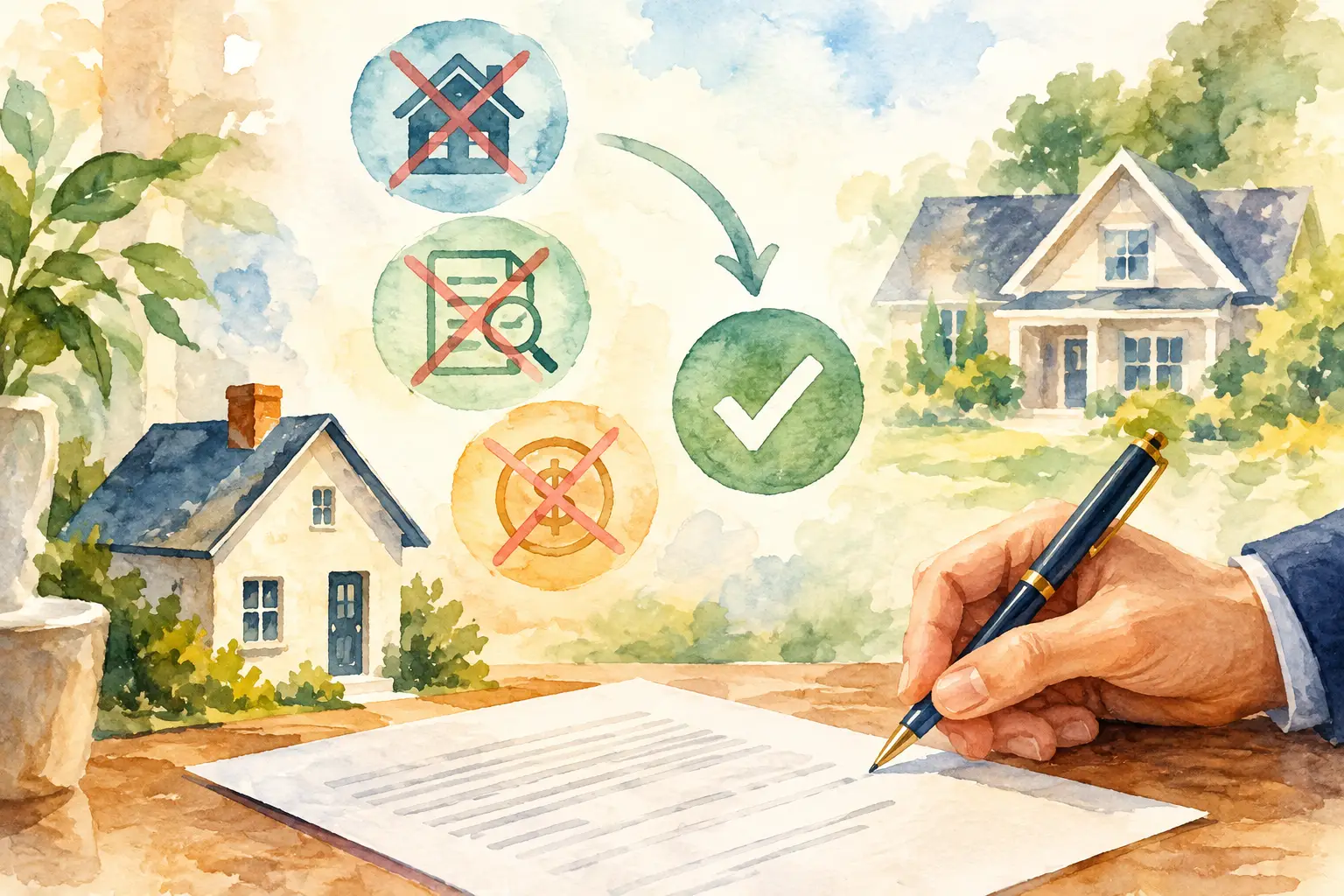
At the same time, do not manage by impulse. Use a consistent repair process: receive the request, determine urgency, assign an appropriate vendor, document the work, and keep the invoice. If you use a property manager, understand the management agreement, maintenance markup policies, approval thresholds, leasing fees, and reporting schedule before signing.
For owners handling rentals themselves from another state, use qualified, properly licensed professionals where required and follow current South Carolina landlord-tenant requirements. Rules around notices, security deposits, habitability, and eviction procedures are not areas for guesswork.
Control Costs Without Deferring Maintenance
The wrong way to reduce expenses is to postpone every repair. Deferred maintenance rarely disappears. It usually becomes more disruptive and more expensive, especially when a problem affects structural components, water systems, or tenant safety.
Instead, separate expenses into three categories: urgent repairs, preventive maintenance, and capital improvements. Urgent repairs protect people or prevent immediate damage. Preventive work includes servicing HVAC equipment, cleaning gutters, trimming vegetation away from the house, and addressing minor exterior caulking failures. Capital improvements may include a roof replacement, window upgrades, or a major renovation.
Request estimates for larger work and compare scope, not just price. A low bid may exclude permits, disposal, materials, warranty coverage, or necessary preparation. Ask for photos, itemized invoices, and confirmation that the work is complete before final payment whenever practical.
A reserve fund is essential. A property that produces monthly income should not rely entirely on that month’s rent to cover an unexpected repair. The appropriate reserve depends on the age, condition, value, and occupancy of the home, but a dedicated account gives you options when repairs cannot wait.
Prepare Early if Selling Is the Goal
Many absentee owners decide to sell after a tenant moves out, an inherited property becomes burdensome, or a second home no longer fits their plans. Selling from out of town is manageable when the preparation starts before the listing date.
Begin with a realistic property assessment. Identify deferred maintenance, cosmetic issues, occupancy concerns, and items that could affect buyer perception. In the Charleston market, condition, location, flood considerations, HOA requirements, and the property’s price range can all influence how much preparation makes financial sense.
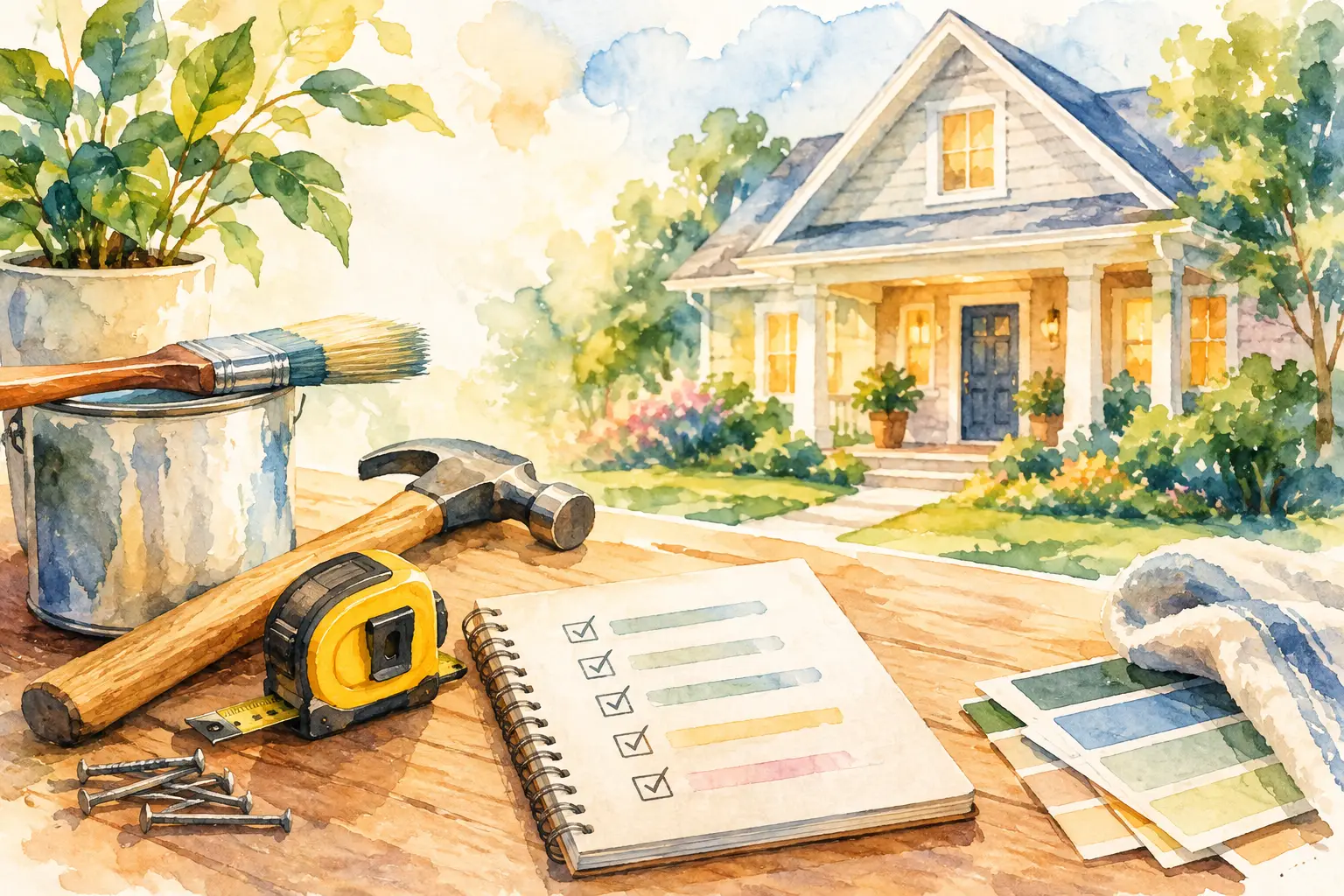
Not every home needs a full renovation. Sometimes targeted cleaning, paint touch-ups, landscaping, lighting improvements, and minor repairs deliver the strongest return. Other properties may justify more significant work before going to market. The right decision depends on comparable sales, buyer expectations in that neighborhood, and the likely gap between selling as-is and selling after improvements.
Remote sellers should also plan for access. Arrange for keys, garage remotes, gate codes, utility access, and any HOA requirements well before showings begin. Decide who can approve repairs after inspections and who can sign documents if travel becomes difficult. Digital signatures make much of the transaction easier, but fast decisions still matter when an offer or repair negotiation is on the table.
Avoid These Common Absentee Owner Mistakes
Distance does not cause most property problems. Lack of a process does. The most common mistakes are avoidable:
- Assuming insurance covers a vacant or rental property exactly like a primary residence.
- Waiting for a tenant, neighbor, or buyer to report maintenance problems.
- Choosing vendors based only on the lowest estimate, without confirming scope and documentation.
- Listing a home remotely without first resolving access, cleanup, repair, and decision-making details.
An absentee-owned home can remain a productive asset when it receives the same attention as a nearby property. Put reliable people, clear standards, and documented decisions in place now, and you will be in a stronger position whether you keep the home, rent it, or decide it is time to sell.
Categories
Recent Posts








Matt Miller Sells Charleston LLC
Phone